
Category: Uncategorized

  • From Radium to Super-LumiNova: A Brief History of Lume

    From Radium to Super-LumiNova: A Brief History of Lume

    An easy introduction to watch lume, how it works, and why it matters.

    If you have ever checked your watch in the dark and could still read the time, you already know what lume is.

    Lume is a luminous material applied to the hands and indices of a watch so it stays readable in low light or complete darkness. Its role is simple. Let you tell the time when light is gone.

    That is it.

    But despite how small it looks, lume has one of the more fascinating and slightly unsettling histories in watchmaking.
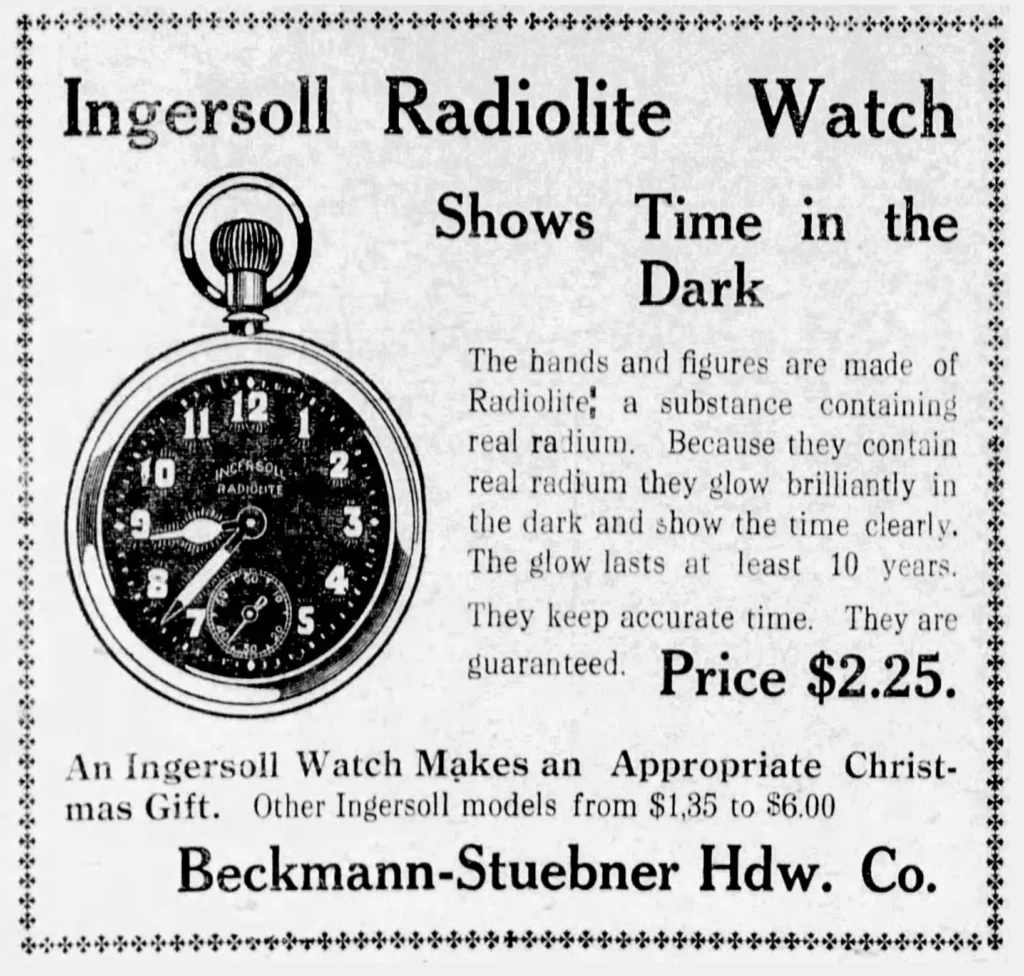
     November 1917 ad for an Ingersoll
    November 1917 ad for an Ingersoll “Radiolite” watch, one of the first watches mass marketed in the USA featuring a radium-illuminated dial.

    A brief and slightly wild history of lume

    The first luminous watches appeared in the early 1900s, at a time when night visibility was becoming important for soldiers, pilots, and railway workers. Back then, glow-in-the-dark meant one thing: radium.

    Radium-based paint glowed constantly without needing to be charged by light. It sounded perfect. The problem was that radium is highly radioactive. At the time, the danger was not fully understood, and it was used generously, even casually. Watch dials, hands, instruments, everything that needed to glow got a coat of it.

    The consequences were serious. Factory workers who applied radium paint suffered severe health issues, and the material itself was dangerous to handle and wear long-term. By the mid-20th century, it became clear that this was not something the industry could continue using.

    Radium was eventually replaced by tritium, which was less radioactive but still not harmless. Tritium-based lume was common from the 1960s through the 1990s and can still be found on vintage watches today, usually marked with a small “T” on the dial.

    The real turning point came when the industry moved to non-radioactive, photoluminescent materials. This is where modern lume begins.

      Th ree radium di als and a rado n detector are placed in a sealed plastic container. After 6 hours, the radon level was 446 pCi/L.   Zorya's Leshak  work
    Th ree radium di als and a rado n detector are placed in a sealed plastic container. After 6 hours, the radon level was 446 pCi/L. Zorya’s Leshak work

    Modern lume and why Super-LumiNova dominates

    Today, most watches use photoluminescent pigments that charge under light and glow in the dark without any radioactivity, making modern watch lume both safe and highly reliable for everyday use.

    The name you hear most often is Super-LumiNova, produced by the Swiss company RC Tritec.

    Super-LumiNova does not glow forever, but when properly applied, it charges quickly and releases light gradually over hours. It is safe, stable, and extremely versatile, which is why it is used across the industry.

    Many large brands rely on it, sometimes under their own names. Rolex uses Chromalight, known for its blue glow. Omega uses Super-LumiNova in several formulations. On the Japanese side, Seiko developed its own compound called LumiBrite, famous for its brightness and longevity.
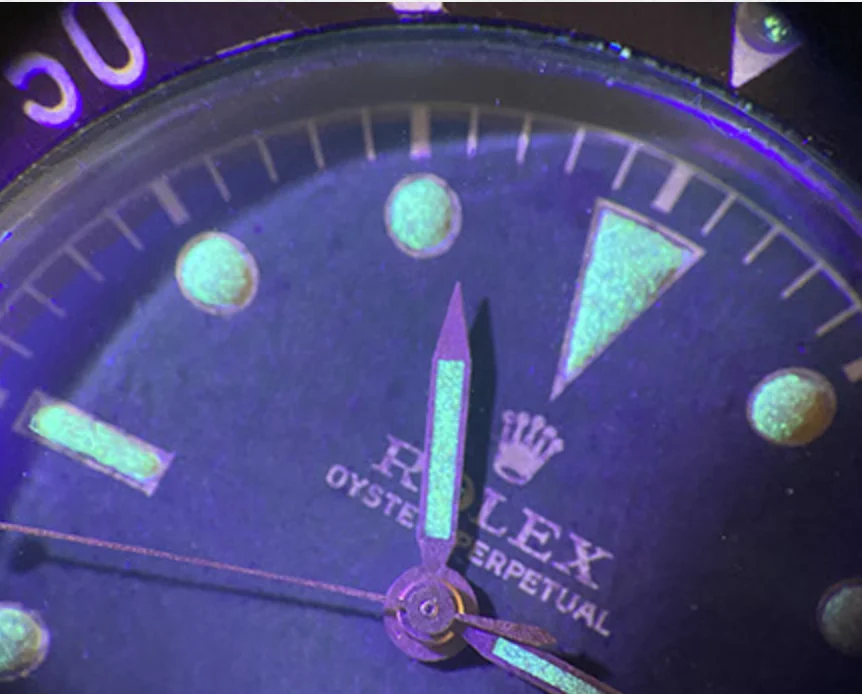
     Reference 6205 Radium Lume under UV light from 1954  courtesy of     https://rolexhaven.com/
    Reference 6205 Radium Lume under UV light from 1954 courtesy of https://rolexhaven.com/

    Super-LumiNova is not just one thing

    Lume is often treated as either good or bad, but in reality there are many Super-LumiNova grades, each with its own personality. C3 is among the brightest and glows green, though it can appear slightly creamy or yellowish in daylight. C1 looks very clean and white during the day but has a softer glow at night. Blue-glowing options like BGW9 offer a different balance between brightness, longevity, and daytime appearance. Beyond the compound itself, application plays an important role too. Thickness and consistency directly affect how long and how strongly the lume performs.

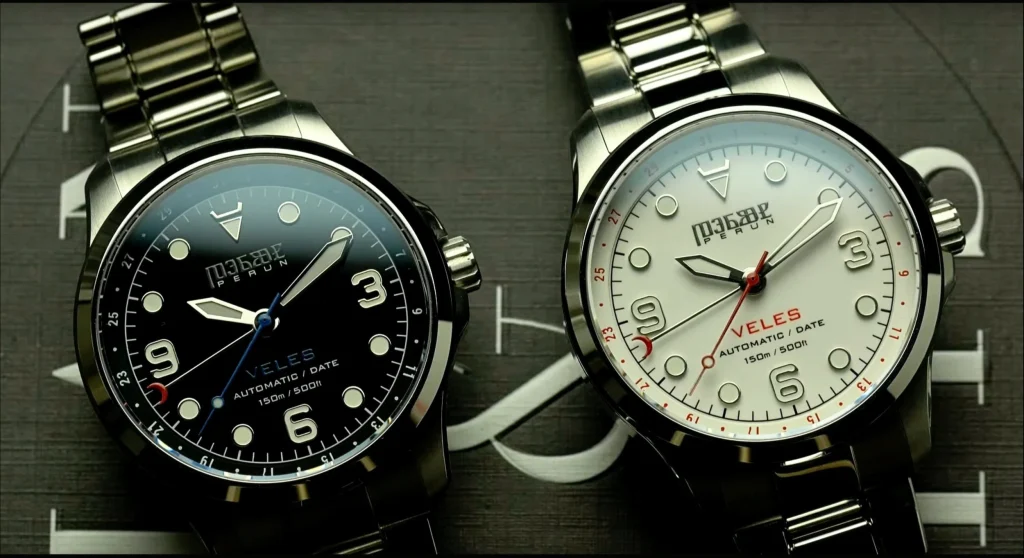
     Perun - Veles in Midnight Black, SuperLumi-Nova in BGW9
    Perun – Veles in Midnight Black, SuperLumi-Nova in BGW9

    How we approached lume on Veles

    For Veles, the goal was balance. We compared different options in daylight and darkness, focusing on how the indices and hands look when the lume is not glowing. We wanted them to stay clean white, without green or yellow undertones, which led us to Super-LumiNova BGW9. It glows blue at night and remains visually neutral during the day, with enough depth applied to ensure solid visibility without changing the watch’s daytime character.

    Lume is one of those details that feels insignificant until you rely on it. Then it becomes essential. It is also one of the clearest examples of how function, aesthetics, and personal preference meet in watchmaking. There is no universal winner, only choices that align with the character of a watch.
  • Language as Heritage

    Language as Heritage

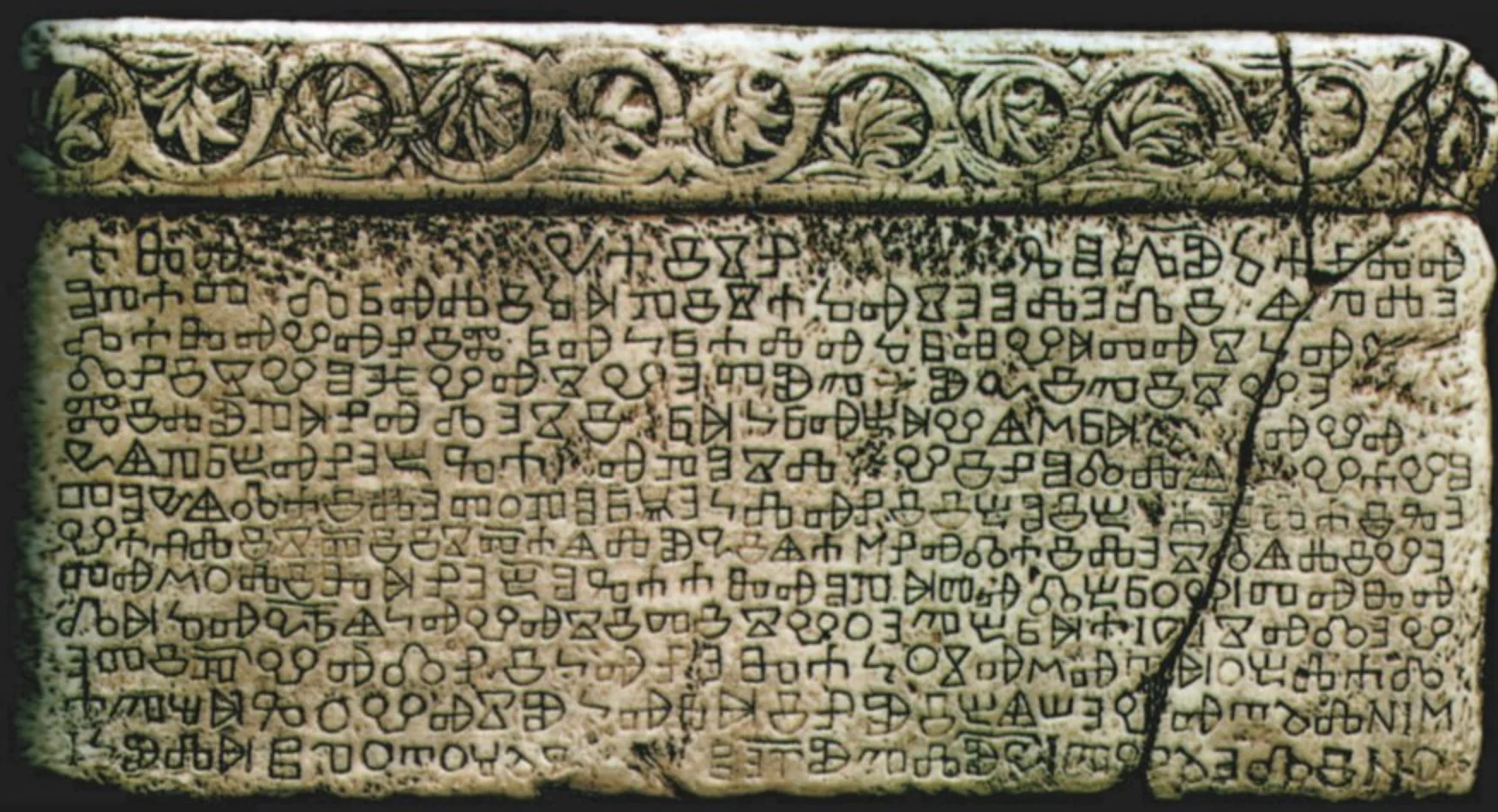
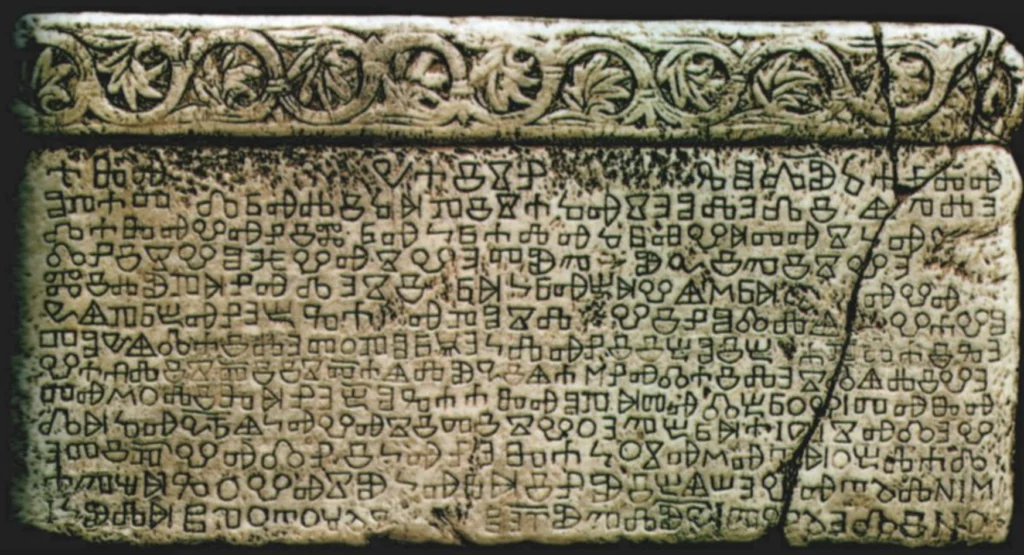
      Baška tablet - one of the oldest and most important monuments written in Glagolitic script, c.1100, island of Krk, Croatia.
    Baška tablet – one of the oldest and most important monuments written in Glagolitic script, c.1100, island of Krk, Croatia.

    When we talk about heritage, most people think of monuments, music, or clothing. But language is the thread that runs quietly through everything. It is how stories are carried forward. It is how a community keeps its memory alive.

    The Birth of a Script

    For the Slavs, language was not just a tool of communication. It was identity. Some of the earliest steps toward a shared Slavic culture came through the creation of an alphabet.

    The Glagolitic script was created in the middle of the 9th century by the Byzantine brothers Cyril and Methodius, missionaries from Thessaloniki. At the time, the Slavs of Central Europe were still using only oral tradition. They had no writing system of their own, which meant they were dependent on Latin, Greek or German clergy for religious texts and education.

    The brothers arrived in Great Moravia, invited by Prince Rastislav, who wanted his people to have church services in their own language rather than Latin. To make that possible, Cyril and Methodius designed a new alphabet – Glagolitic – to match the sounds of the Slavic tongue. The script looks unusual to modern eyes but each letter was carefully shaped to reflect Slavic speech, something existing alphabets couldn’t do.

    At a time when Latin and Greek were seen as the only proper languages of culture and religion, creating a new script for a local people was radical. It gave ordinary Slavs access to sacred texts in their own tongue. More than that, it gave them a sense of dignity, proof that their language was worthy of being written down.

      Saints Cyril and Methodius
    Saints Cyril and Methodius

    More Than Religion

    What followed was far bigger than worship. With Glagolitic, the Slavs gained a written identity. For the first time, their laws, histories, and poetry could be recorded in their own script. A people who could write in their own language could also think and dream in their own way, without having their words filtered through foreign alphabets.

    Later, Glagolitic spread into different Slavic lands, most strongly along the Adriatic coast where it survived the longest. In other regions, it gradually gave way to Cyrillic, which was developed by the followers of Cyril and Methodius in the First Bulgarian Empire. Cyrillic carried the names of the two brothers forward and became dominant across much of Eastern Europe. But the principle was the same everywhere: language as a foundation of culture, a marker of belonging, and a source of resilience.

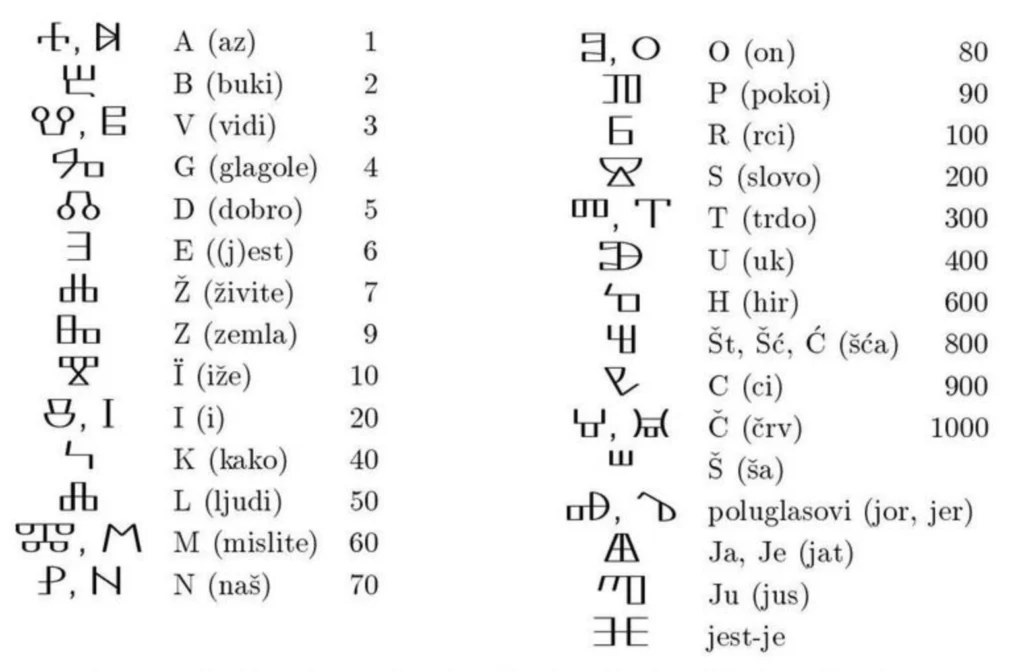
      Angular Glagolitic script, used in Croatia and along the Adriatic coast.
    Angular Glagolitic script, used in Croatia and along the Adriatic coast.

    A Thousand Years of Letters

    Croatia has a special tie to Glagolitic tradition. The script was in use for more than a thousand years – from the 9th century all the way into the beginning of the 20th. That span alone says a lot. Very few writing systems stay alive that long without interruption. Inscriptions can still be found carved into stone tablets, church walls, and monuments across the country. They stand as proof that language doesn’t just live in speech, but can leave a physical mark that lasts for centuries.

    Many people in Croatia can still read Glagolitic letters. Yet with each new generation, the number grows smaller. For younger people, it is often something only seen in a textbook or on a souvenir. What was once a living, everyday script now risks slipping quietly into the past.

    When Words Fade

    When a language or script fades, so does part of the culture that carried it. Each word, each letter, holds more than meaning, it carries memory. To lose that thread is to lose a way of seeing the world. That is why Glagolitic still matters, not only in archives or museums but also when it appears in modern life.

    At Perun, our own logo is written in Angular Glagolitic, a Croatian form of the script. It is a small but deliberate choice, a way of carrying forward a piece of heritage that shaped who we are, and making sure that memory continues to live in the present.

  • When Timekeeping Went Wild: 5 Vintage Watches That Pushed Boundaries

    When Timekeeping Went Wild: 5 Vintage Watches That Pushed Boundaries

    Horology has always been more than just measuring hours and minutes. At its best, it’s a meeting point of mechanics, design, and imagination. Some watchmakers, instead of simply following what’s been done before, chose to experiment and to challenge the idea of what a watch can be. These pieces didn’t just tell time; they explored new ways to express it.

    Here are five vintage watches that, each in their own way, pushed the limits of watchmaking in their time.

    1. Mystery Dial Watches
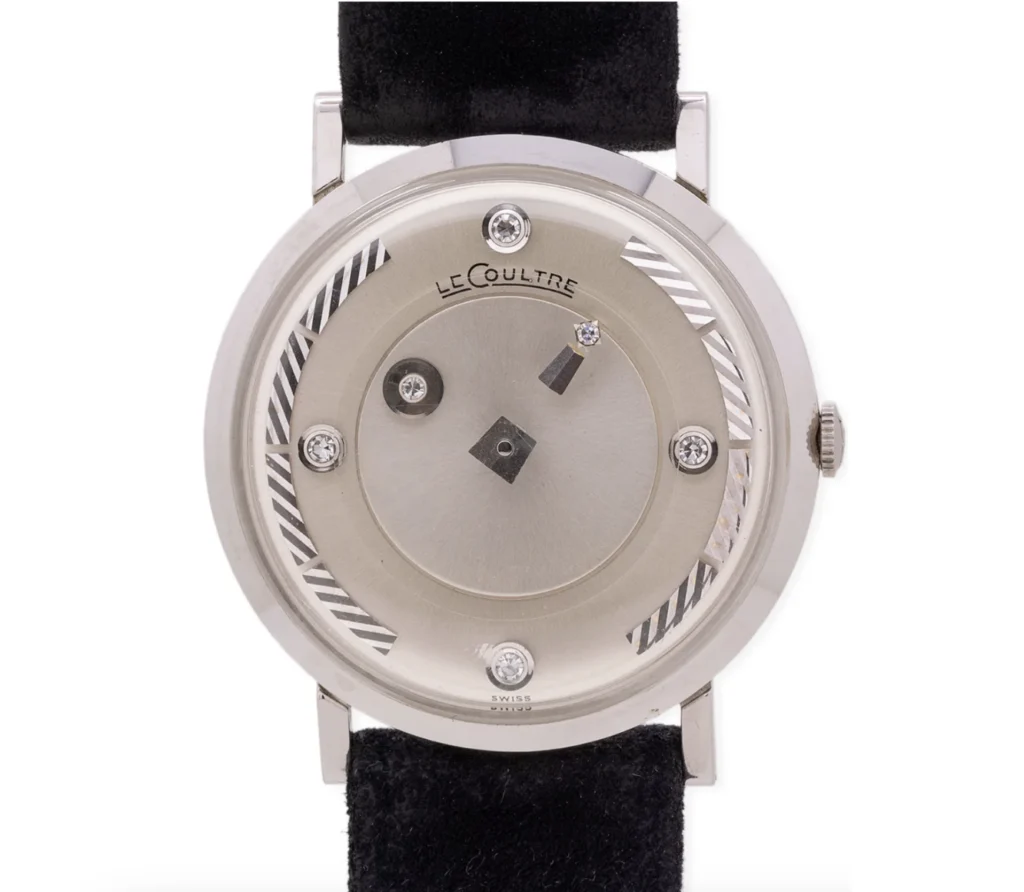
    In the 1950s and 60s, mystery dials offered a completely different visual experience. Instead of using regular hands, these watches had transparent discs with small indicators that seemed to float in mid-air as the discs rotated. The effect was both elegant and a little magical. Brands like Jaeger-LeCoultre embraced this concept, showing that telling time could also be about wonder and surprise.

     Lecoultre 14K WG Mystery Dial circa 1963
    Lecoultre 14K WG Mystery Dial circa 1963

    2. Jaeger-LeCoultre Memovox “Parking”
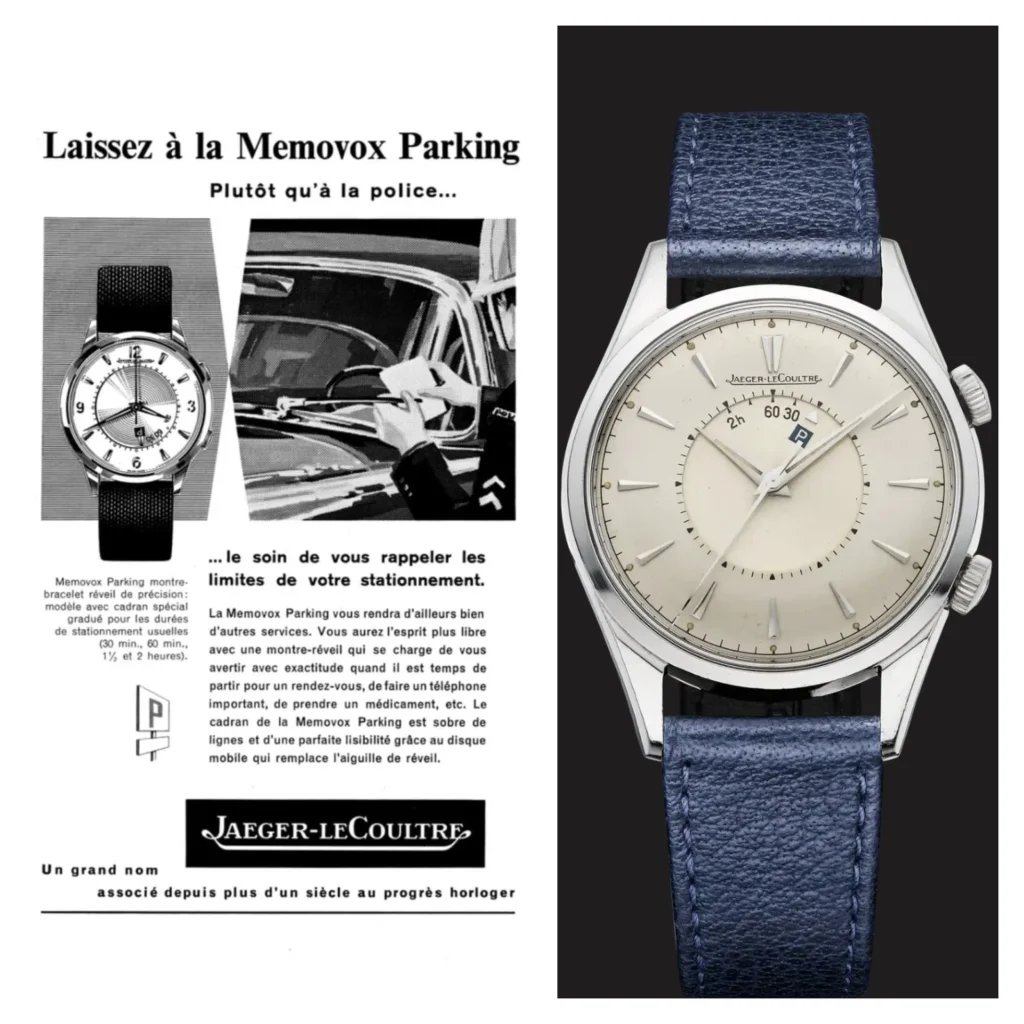
    The Memovox is already famous for its mechanical alarm function, but in the 1950s, Jaeger-LeCoultre took it one step further with the “Parking” version. At a time when parking meters were becoming part of daily life, this watch allowed drivers to set a reminder for when their meter was about to expire. It may seem simple today, but back then it was a clever blend of practicality and mechanical ingenuity.

     JLC, Memevox Parking
    JLC, Memevox Parking

    3. Bulova Accutron
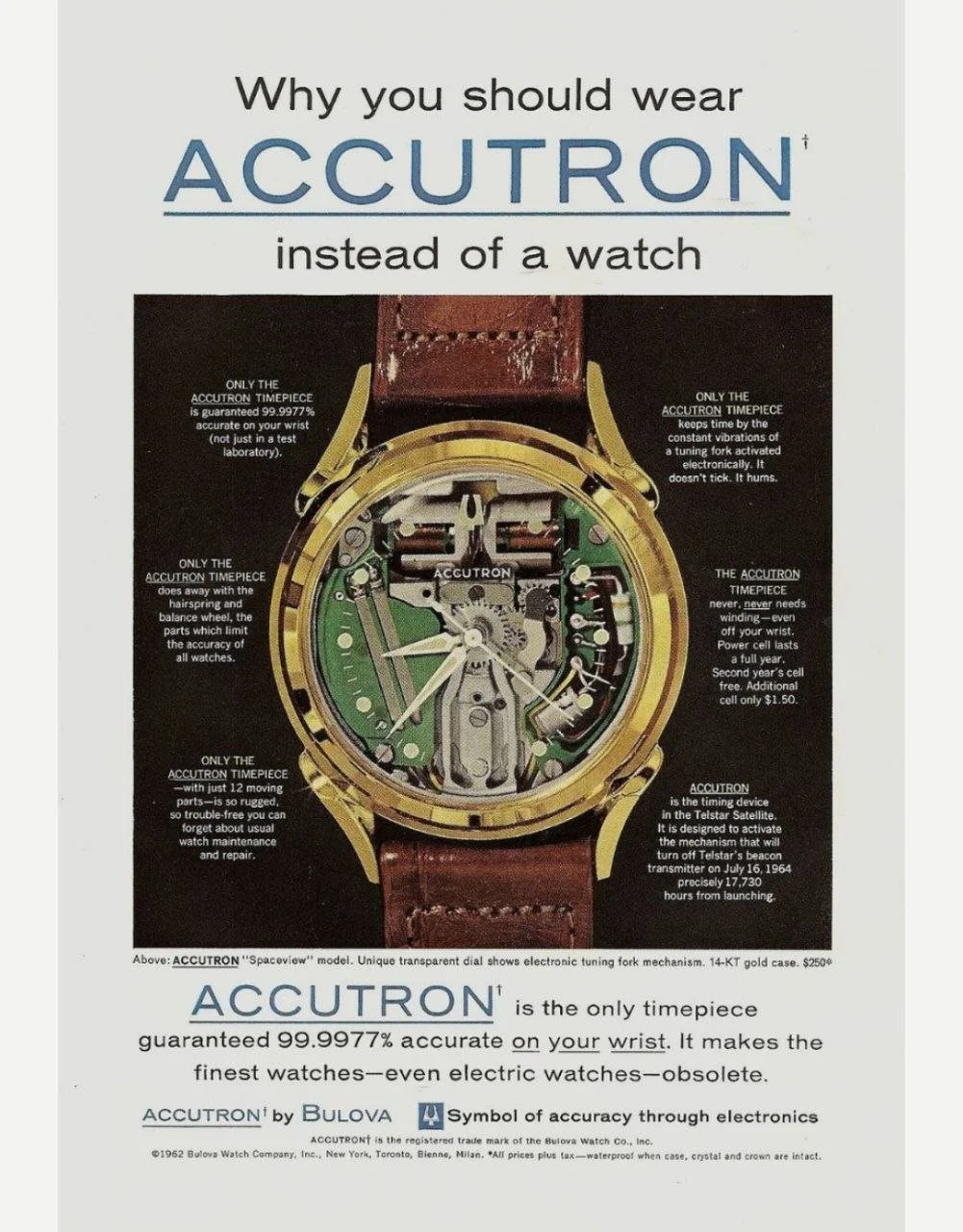
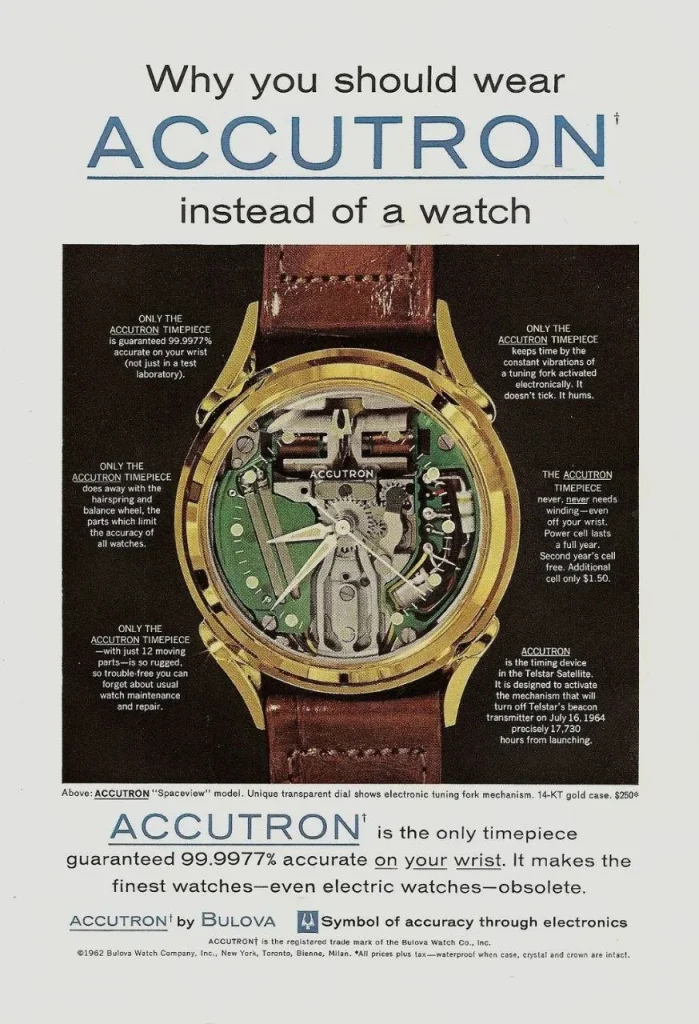
    In 1960, Bulova introduced something completely new: the Accutron. Instead of a traditional balance wheel, it used a tuning fork vibrating at 360 Hz to regulate time. This innovation allowed for unprecedented accuracy at the time, and the smooth sweep of the seconds hand was mesmerizing. The gentle hum of the tuning fork made the Accutron feel alive in a way no other watch did. It was a bold step toward the future, blending electronic technology with the craftsmanship of mechanical watchmaking.

     Bulova Watch, print ad, 1960
    Bulova Watch, print ad, 1960

    4. Hamilton Electric Ventura
    When Hamilton released the Ventura in 1957, it wasn’t just introducing the world’s first electric watch it was also offering a design unlike anything seen before. The sharp triangular case, created by designer Richard Arbib, remains one of the most recognizable silhouettes in watchmaking. The Ventura was a bold step into the future, blending new technology with daring design. Even decades later, it still feels ahead of its time.

     The Hamilton Ventura photo   courtesy  of    bulangandsons.eu
    The Hamilton Ventura photo courtesy of bulangandsons.eu

    5. Lip Mach 2000
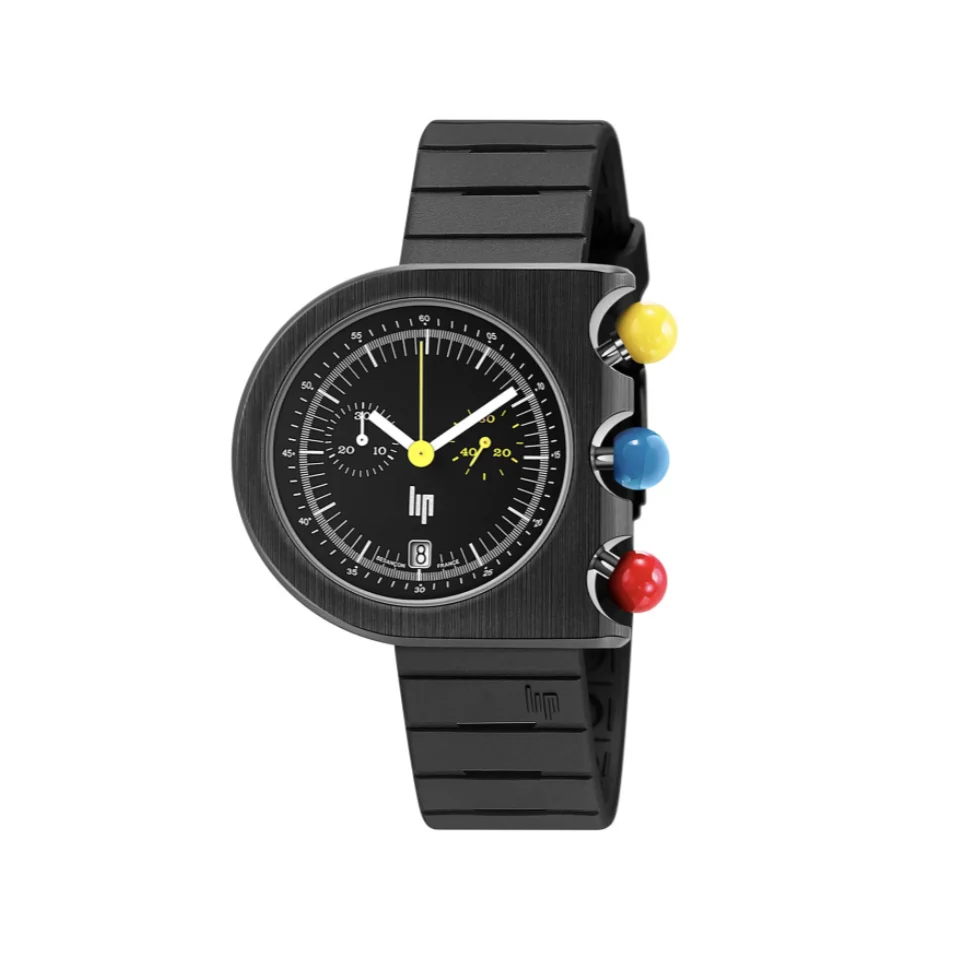
    Designed by Roger Tallon in the 1970s, the Lip Mach 2000 is a reminder that watches can be pure artistic expression. With its playful use of color, off-center crown, and unconventional shapes, it challenged every rule of traditional watch design. It wasn’t created to blend in, but to stand out. The Mach 2000 shows how watchmaking, like any form of art, can reflect the creativity and spirit of its time.

     MACH 2000 CHRONOGRAPHE 42*40 MM
    MACH 2000 CHRONOGRAPHE 42*40 MM

    In every era, there are watchmakers who dare to try something different and to question what a watch should look like and how it could work. These watches remind us that horology is not only about precision, but also about creativity, vision, and the constant search for new forms of beauty. They reflect the simple idea that progress comes from curiosity, from people willing to take risks and push familiar boundaries. In the end, that’s what keeps watchmaking alive: not just perfecting the old, but imagining what else it could become.

  • Timekeepers of the East: Old Slavic Watch Brands Worth Remembering

    Timekeepers of the East: Old Slavic Watch Brands Worth Remembering

    When people talk about watches, it’s usually all about the Swiss. But the Slavic world has its own rich, underrated history in watchmaking. From tough everyday watches to some surprisingly refined designs, brands from Eastern Europe once had a big presence, especially during the 20th century. These watches were made to last and many are still ticking today.

    The Soviet Watch Powerhouses: Raketa, Vostok, and Poljot

    When we talk about Slavic watchmaking, we inevitably begin with the Soviet Union. Though not “Slavic” in the ethnic sense, Russia and its surrounding states produced watches that became staples across Eastern Europe.

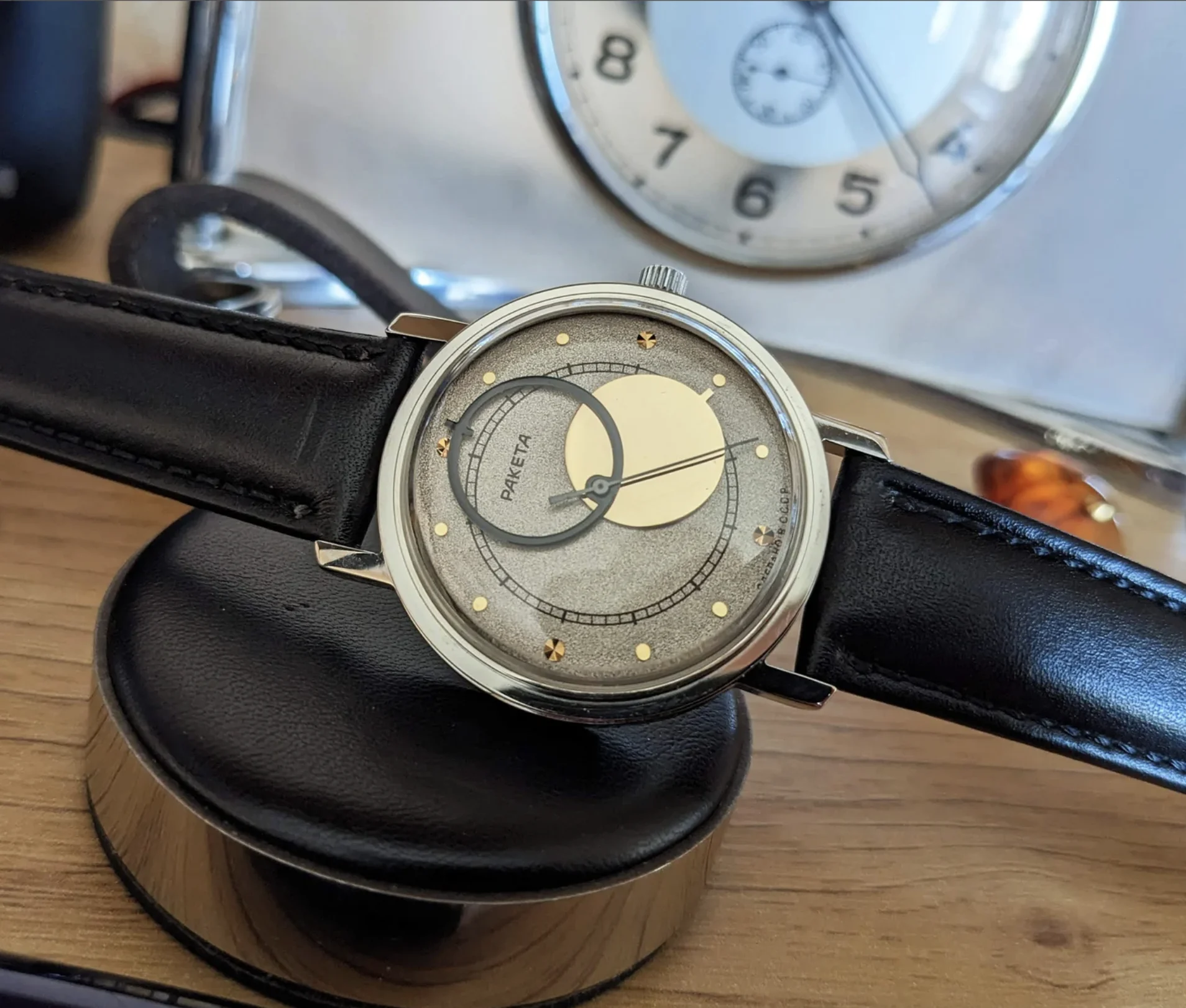
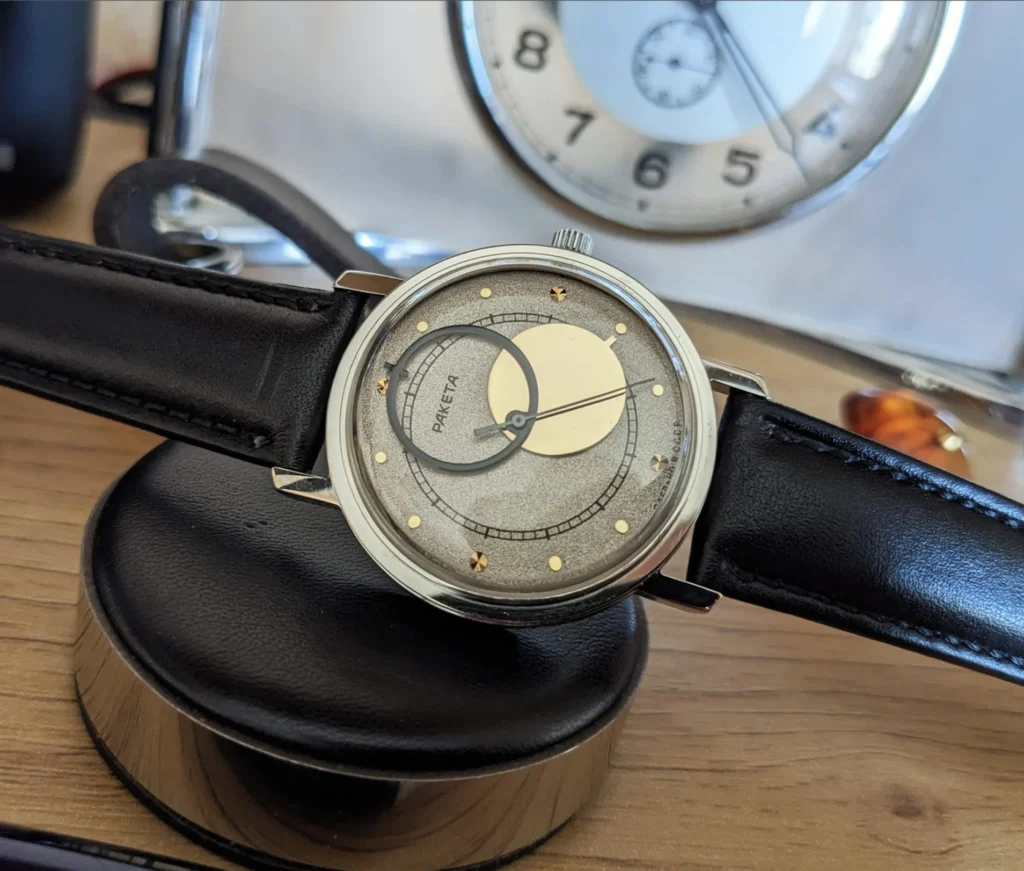
    Raketa started in 1961 in Saint Petersburg, named after the Russian word for “rocket” – inspired by Yuri Gagarin’s space flight. They made rugged watches for soldiers, polar explorers, and even cosmonauts. Everything was built in-house, which was pretty impressive.

     Raketa, Copernicus
    Raketa, Copernicus

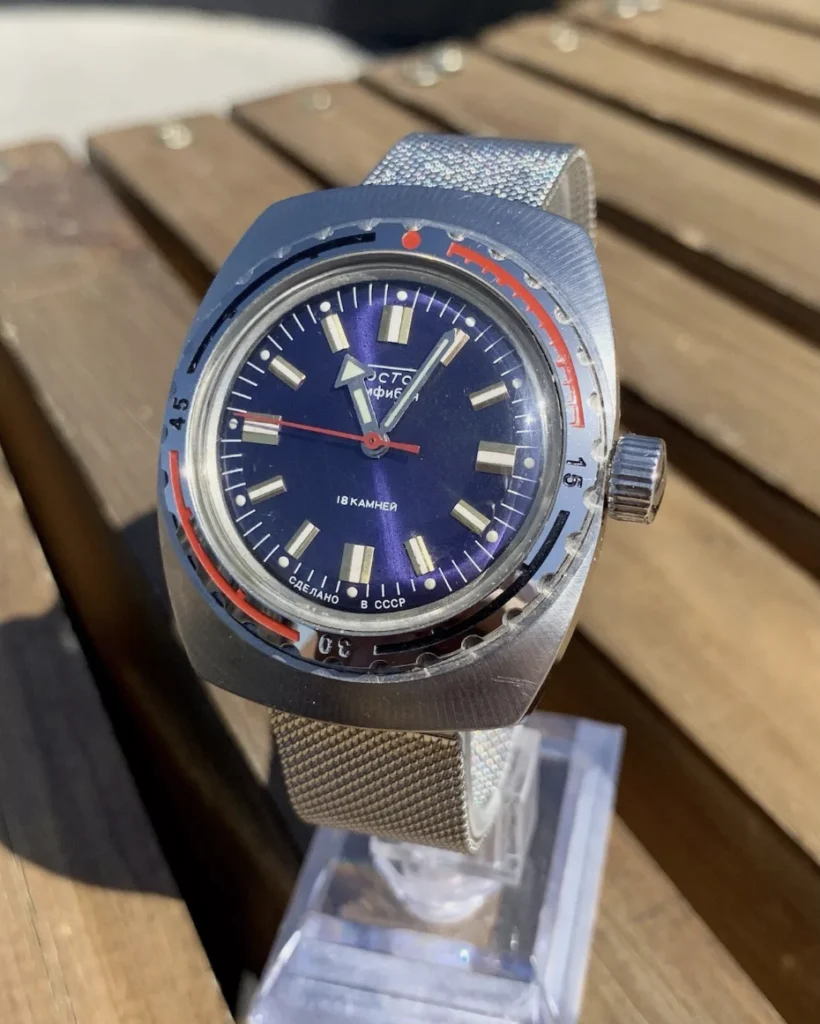
    Vostok, launched during WWII, became a favorite thanks to the Amphibia – a dive watch that’s still super popular with collectors. It’s known for its unique case design and that charming vintage feel.

     Vostok, Amphibia
    Vostok, Amphibia

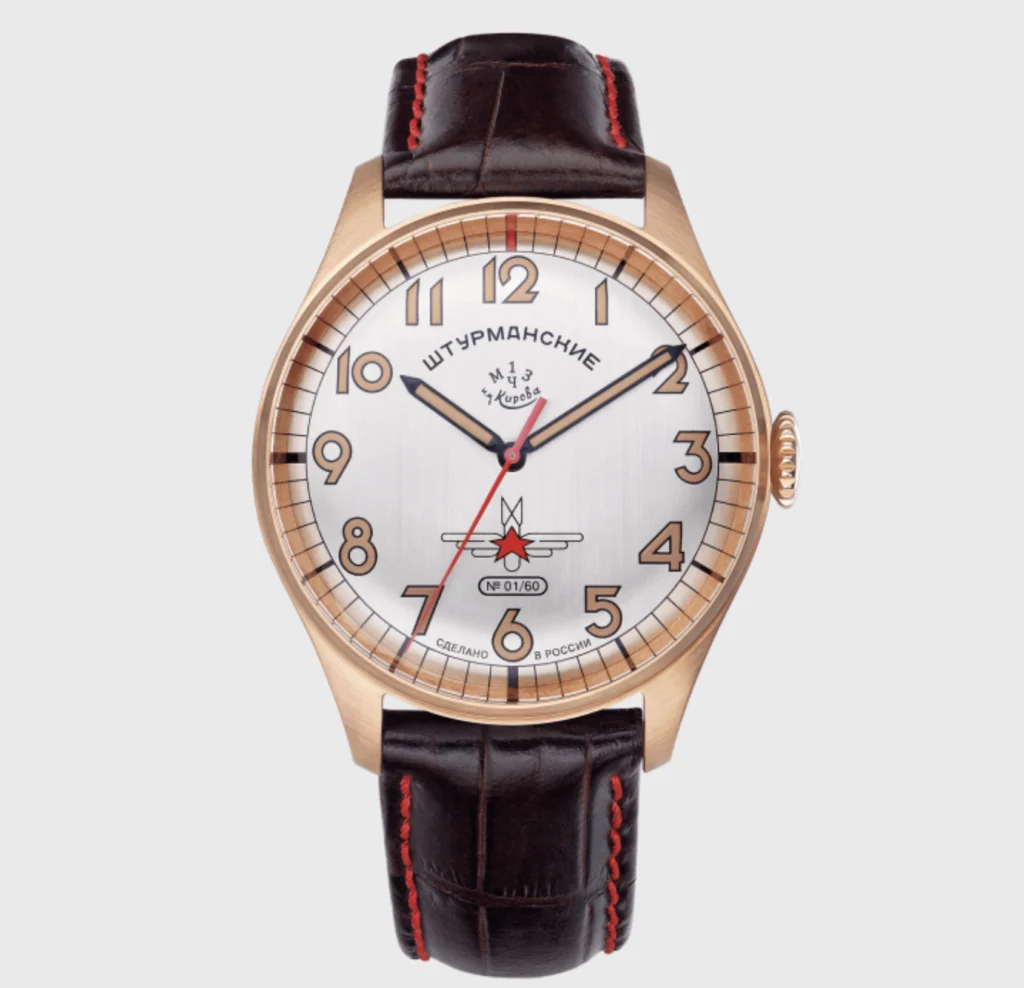
    Poljot, originally the First Moscow Watch Factory, was the pride of Soviet watchmaking. Their Sturmanskie was the first watch in space, worn by Gagarin himself. They even made mechanical chronographs with movements based on Swiss designs, but built entirely behind the Iron Curtain.

     Sturmanskie Gagarin
    Sturmanskie Gagarin

    Prim: The Czech Answer to Swiss Craft

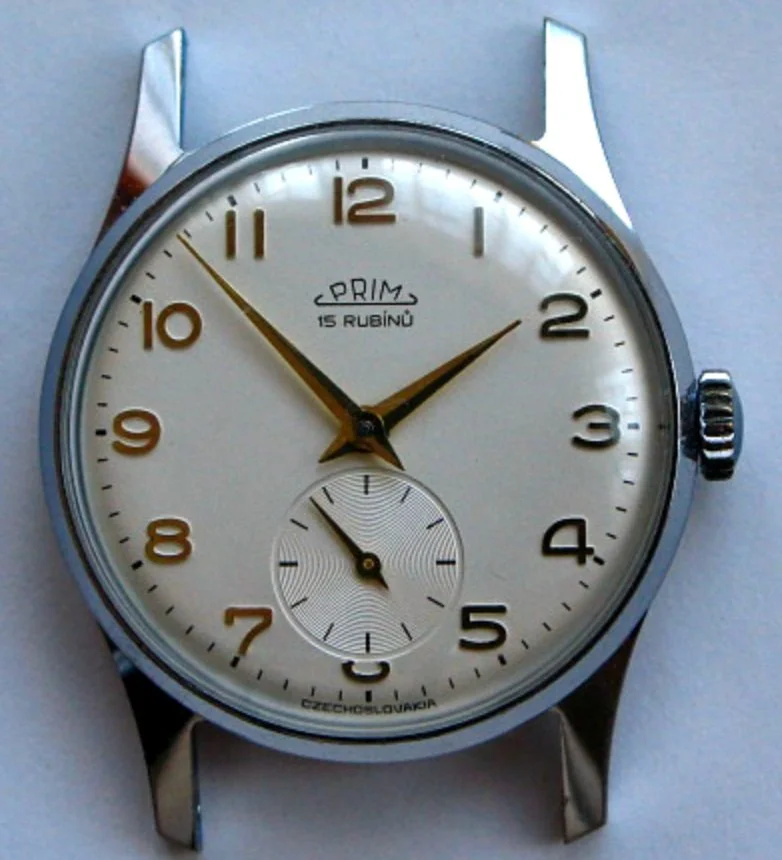
    Czechoslovakia had its own homegrown brand: Prim. They started in 1949 and made pretty much everything themselves, from the cases to the movements. Some models were simple and practical, others had a bit more flair. Either way, they had a strong mid-century style.

    After the fall of communism, Prim split into two separate companies (long story), and one of them still makes watches today, proudly keeping Czech watchmaking alive.

     Prim, caliber 50, 1956
    Prim, caliber 50, 1956

    A Small But Fascinating Scene in Yugoslavia

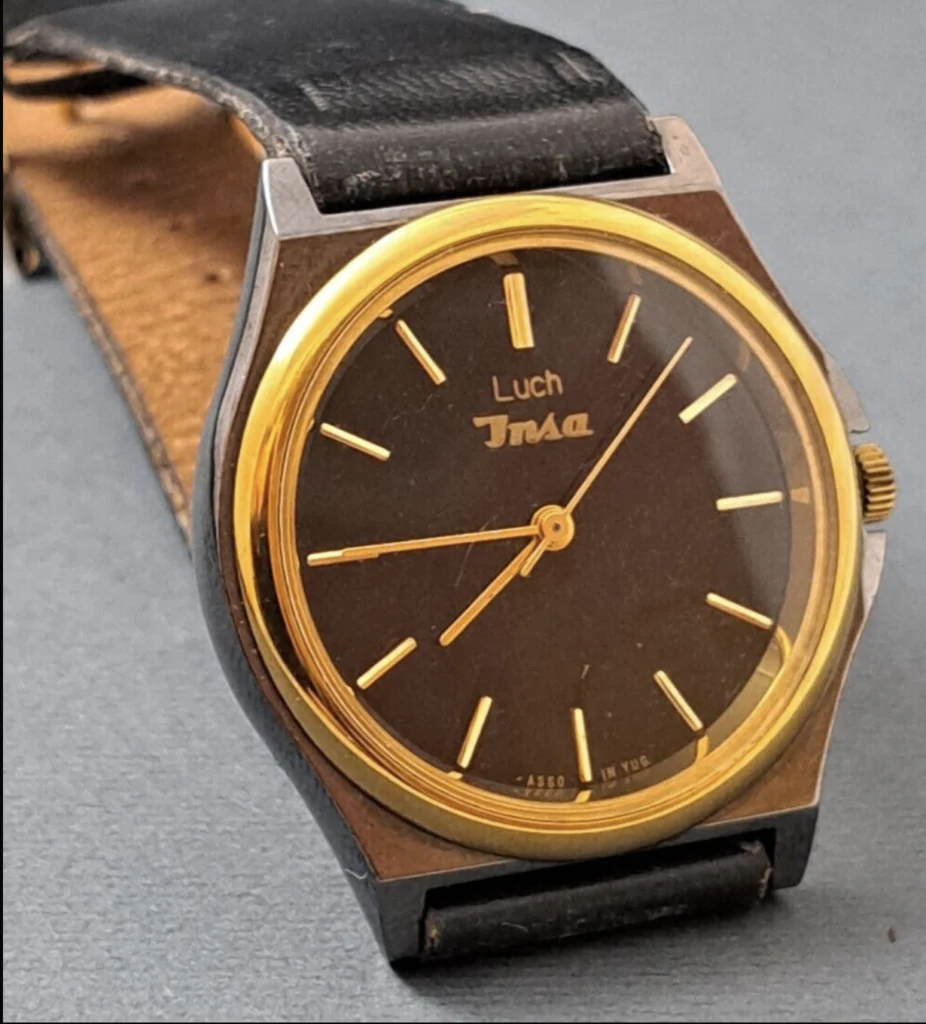
    In former Yugoslavia, watchmaking wasn’t a huge industry, but it still had its place. Brands like Insa (short for Industrija Satova, or “Watch Industry”) in Serbia were putting watches together using movements from the Swiss or the Soviets then assembling and finishing them locally for people in the region. They weren’t made in massive numbers, so today they’re pretty rare and collectors love them for their unique mix of Balkan design and postwar charm.

     Insa, Luch
    Insa, Luch

    A Quiet Comeback

    Lately, there’s been a growing interest in watches from this part of the world. New microbrands are popping up in places like Croatia, Poland, and the Czech Republic. They’re inspired by the old designs but want to offer something fresh and something that speaks to both heritage and modern style.

    Final thoughts

    Slavic watch brands might not get as much attention as the big names from Switzerland or Japan, but they’ve left their mark. For a lot of people, these watches were part of daily life: reliable, practical, and sometimes surprisingly beautiful. Whether it’s a chunky old Vostok or a clean, understated Prim, these timepieces tell a story. And that’s what makes them special.

  • Pagan Warfare and the Rise of Slavic Tribes

    Pagan Warfare and the Rise of Slavic Tribes

    As the Western Roman Empire crumbled, chaos reshaped Europe, and the Slavic tribes seized their moment. Emerging from dense forests and river valleys, they expanded in every direction, clashing with Byzantium and Germanic rivals. Their mastery of guerrilla tactics, surprise raids, and deep knowledge of the land made them unpredictable and deadly adversaries.

    Pagan Beliefs and Warfare

    To the Slavic warrior, battle wasn’t just about survival – it was a sacred act. Before combat, warriors called upon Perun, the god of war, and Veles, the weaver of fate, seeking protection and victory. Shields and weapons bore sacred symbols like the kolovrat, believed to channel divine energy. Some donned wolf or bear pelts, invoking the strength of their animal spirits, while others read omens in the sky, letting nature dictate their next move.

    Weapons and Tactics

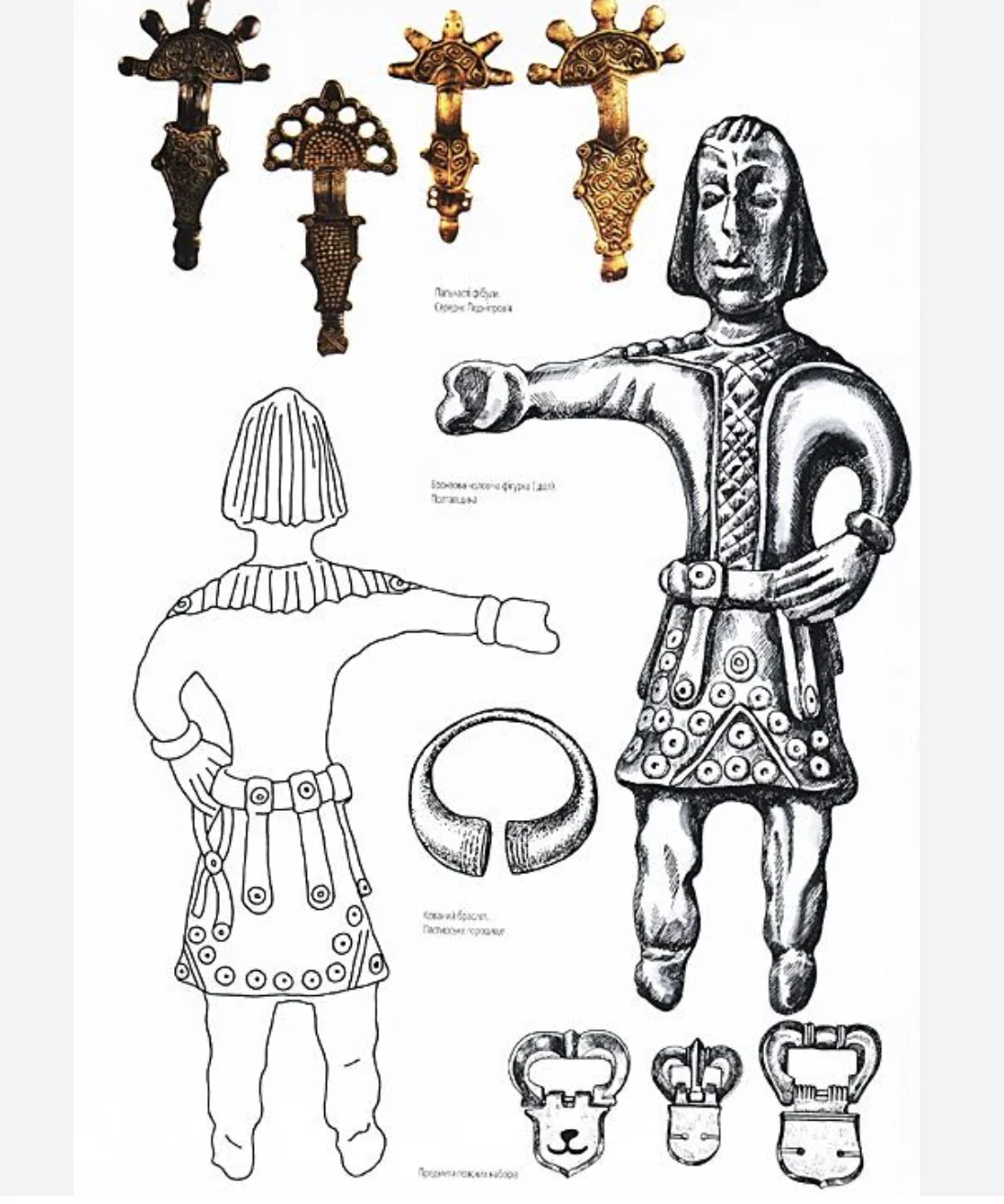
    Speed and cunning were the Slavs’ greatest weapons. Armed with spears, axes, and bows, they struck swiftly, using rivers and forests as shields. Heavy armor was rare, favoring mobility and ambush tactics. Rivers became warpaths, allowing warriors to raid deep into enemy lands, disappearing before retaliation. By the 7th century, groups like the Antes and Sclaveni had become a nightmare for the Byzantine Empire, launching relentless incursions into its heartlands. In open combat, they used loose formations, which allowed for quick movement and adaptability. Unlike the rigid legions of Rome or the disciplined phalanxes of the Byzantines, Slavic warriors fought with an unpredictable ferocity, making them difficult to counter. While their raiding tactics were effective, they also laid the foundation for more complex military strategies as larger Slavic states began to form.

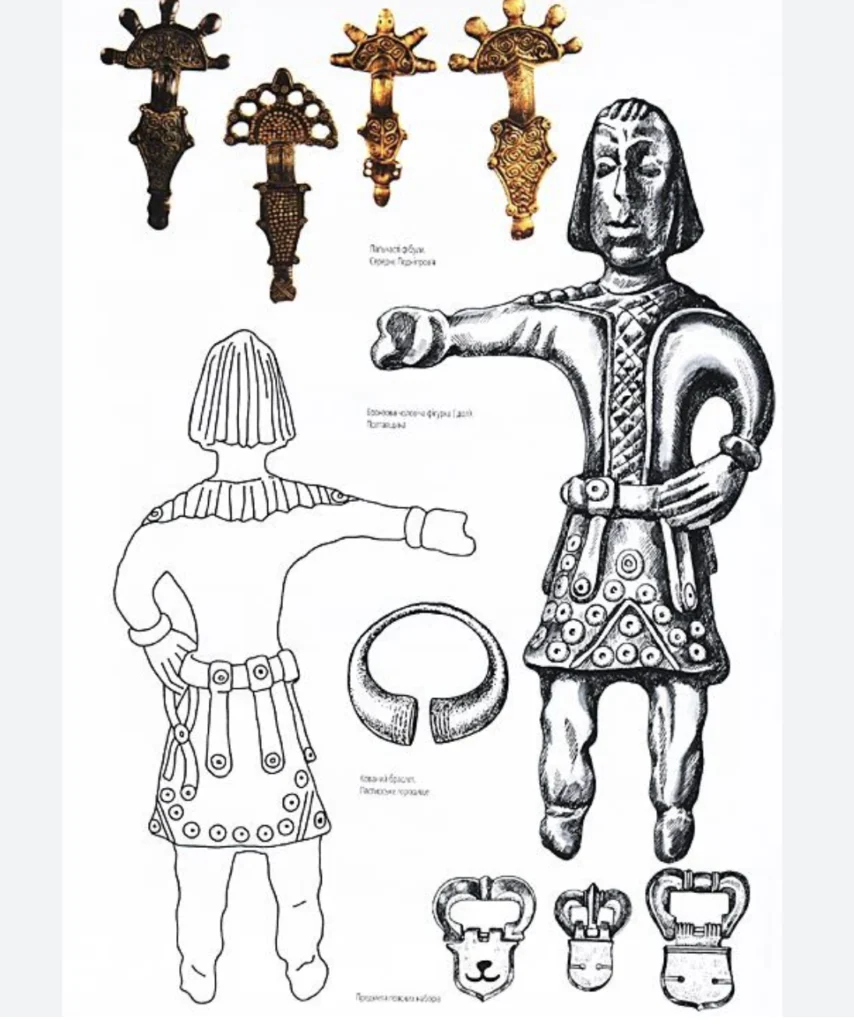
      Artifactes of Antes, Vladimír Dlhý
    Artifactes of Antes, Vladimír Dlhý

    Rise of Slavic Confederations

    As their influence grew, the Slavs united. In the 7th century, a Frankish merchant-turned-warrior named Samo rallied various Slavic tribes against the Avars, proving that unity brought strength. Later, powerful Slavic states like Great Moravia, Kievan Rus, and the early Polish and Bohemian realms solidified this lesson, transforming scattered warbands into formidable military forces. As the tribal system evolved, local chieftains and warlords became princes and kings, shifting warfare from disorganized skirmishes to structured campaigns. The formation of fortified settlements, known as gords, provided strong defensive positions where warriors could regroup and launch counterattacks. This shift marked the beginning of a more organized and politically unified Slavic world.

    Norse and Byzantine Influence

    Contact with Norse traders and raiders introduced new warfare techniques, from shipbuilding to heavier weaponry. The rise of Kievan Rus—founded by Norse rulers but deeply Slavic in culture—marked a new chapter. These warriors even stormed the mighty gates of Constantinople. The Norse influence was particularly evident in their weapon craftsmanship, as Slavic smiths began producing more durable swords and improved armor. The Norse also introduced the concept of elite warrior units, such as the druzhina, a retinue of loyal fighters who served Slavic rulers and princes. Meanwhile, Byzantine encounters introduced advanced siege tactics and fortifications, pushing Slavic warfare beyond mere raiding. The Byzantines, recognizing the military potential of Slavic warriors, even recruited them as mercenaries, some serving in the elite Varangian Guard. Through these influences, Slavic armies transitioned from loosely organized raiding parties to structured military forces capable of prolonged warfare and territorial expansion.

      Slavic tribes in 7. - 9. century, wikipedia.org
    Slavic tribes in 7. – 9. century, wikipedia.org

    The Shift to Christianity and Medieval Warfare

    By the 10th and 11th centuries, Christianity spread through Slavic lands, reshaping their approach to war. Pagan warbands gave way to more structured, centralized armies. Heavy cavalry became more prominent, fortifications more advanced, and battle tactics more disciplined. While Christianity altered the spiritual motivations for war, replacing pagan rites with religious justifications, the warrior ethos of the Slavs endured. Forced to contend with new Christian kingdoms, Slavic rulers refined their military strategies, leading to the rise of powerful medieval states that would shape Eastern Europe for centuries.

    The Slavic tribes rose through cunning, strength, and resilience. Though Christianity changed the way they fought, their legacy as fierce, independent warriors still echoes through history, a testament to their enduring spirit.

    Conclusion

    The transformation of the Slavic tribes from fragmented groups of raiders into powerful medieval states is a testament to their adaptability and tenacity. Their deep connection to nature, reliance on strategic warfare, and devotion to their gods helped them carve out their place in history. Though their pagan ways faded, their warrior ethos lived on, influencing generations of soldiers and rulers. Today, their legacy remains woven into Slavic folklore, art, and cultural identity, a reminder of the resilience and strength that shaped a people and a region.

  • The Elegance of the Pointer Date: A Timeless Complication

    The Elegance of the Pointer Date: A Timeless Complication

    In the world of watchmaking, complications come in many forms – some designed purely for function, others for aesthetics, and a select few that strike a perfect balance between the two. Among these, the pointer date is one of the most elegant and underappreciated. While not as common as the standard date window, this classic feature has a long history in horology and remains a favorite among collectors who appreciate both form and function.

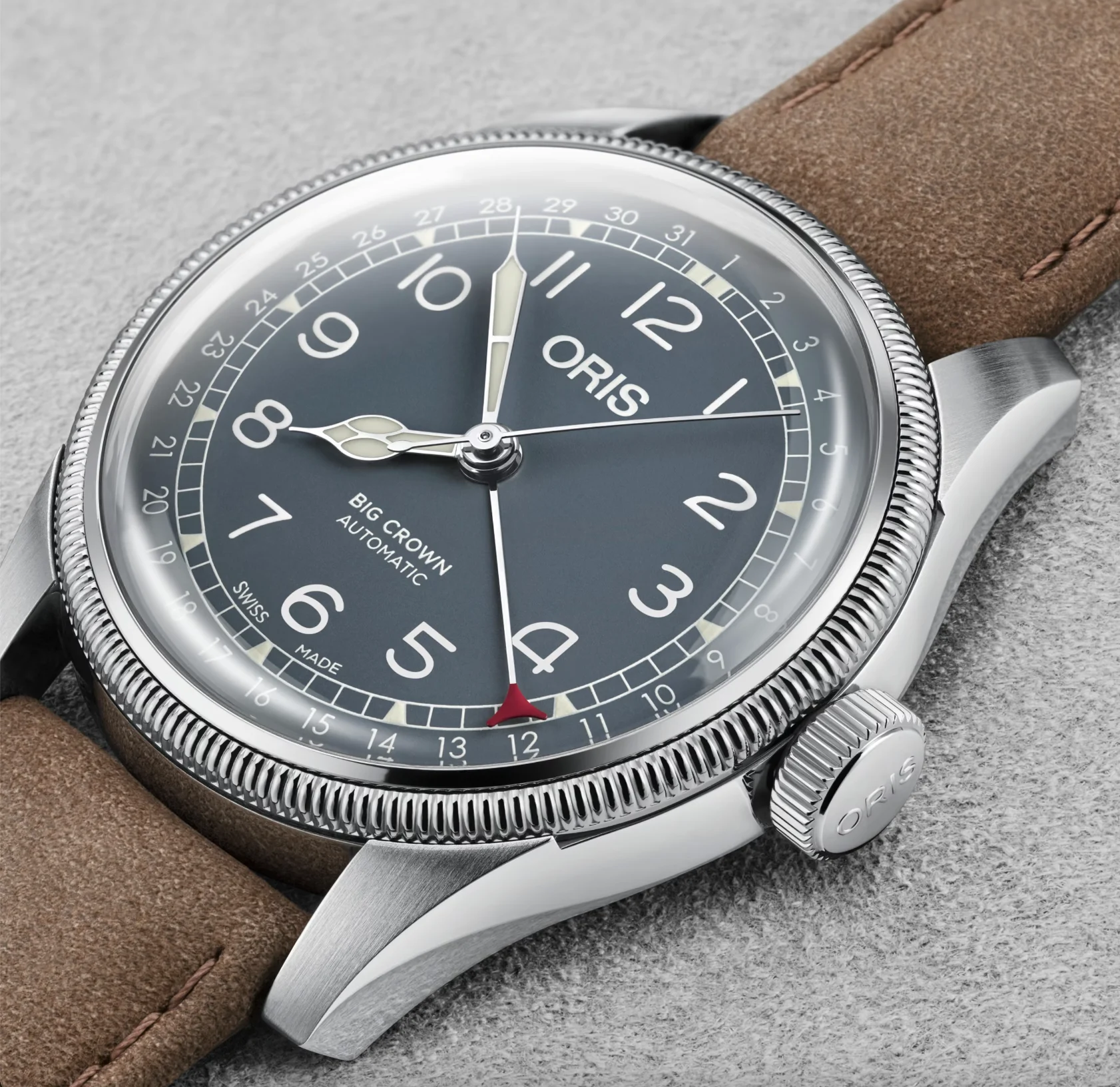
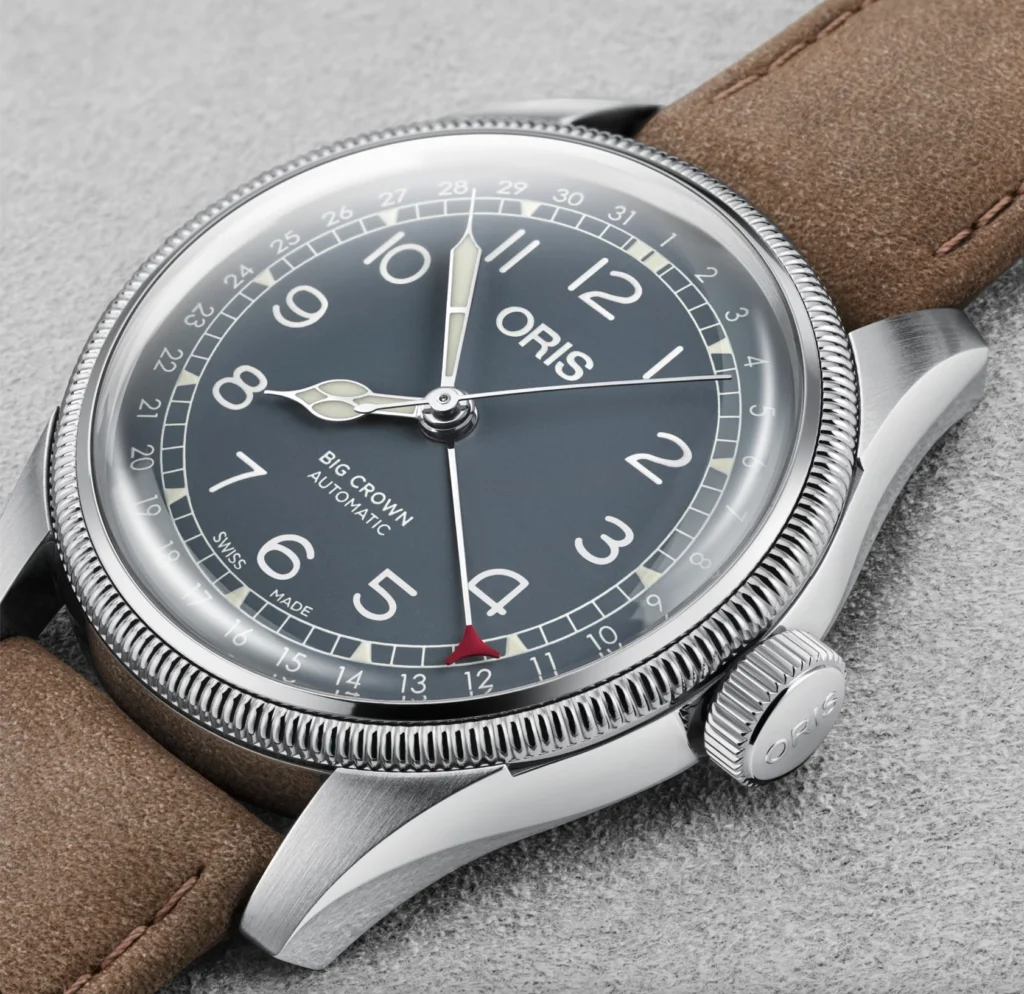
      Oris, Big Crown
    Oris, Big Crown

    The History and Rarity of the Pointer Date

    The pointer date complication traces its origins back to the early 20th century. The first known wristwatch with this feature was patented in 1915 by Swiss watchmaker A. Hammerly, who designed a mechanism where a central hand pointed to the date along the outer track of the dial. Over the next few decades, various brands incorporated the pointer date into their designs, especially in calendar watches of the 1930s and 1940s.

    Despite its early adoption, the pointer date remained a relatively niche complication, particularly after the rise of date windows in the 1950s. As watchmakers sought more compact and easily readable solutions, the rotating date disc behind a small aperture became the industry standard. This shift made the pointer date something of a rarity, often found only in vintage-inspired watches or models from brands that appreciate classical watchmaking aesthetics.

    Today, the pointer date is still uncommon, making it a distinctive and refreshing choice for enthusiasts who value symmetry and a touch of historical charm in their timepieces.

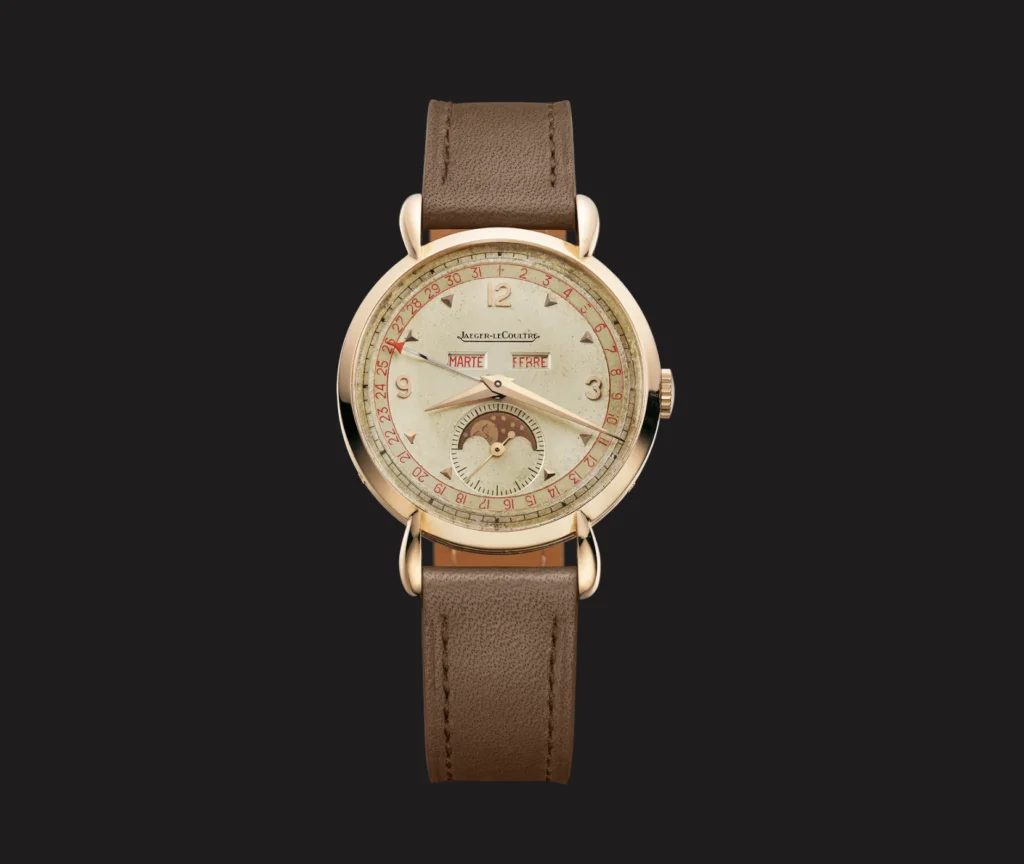
      Jaeger-LeCoultre, Triple Calendar QVE27221
    Jaeger-LeCoultre, Triple Calendar QVE27221

    What Is a Pointer Date?

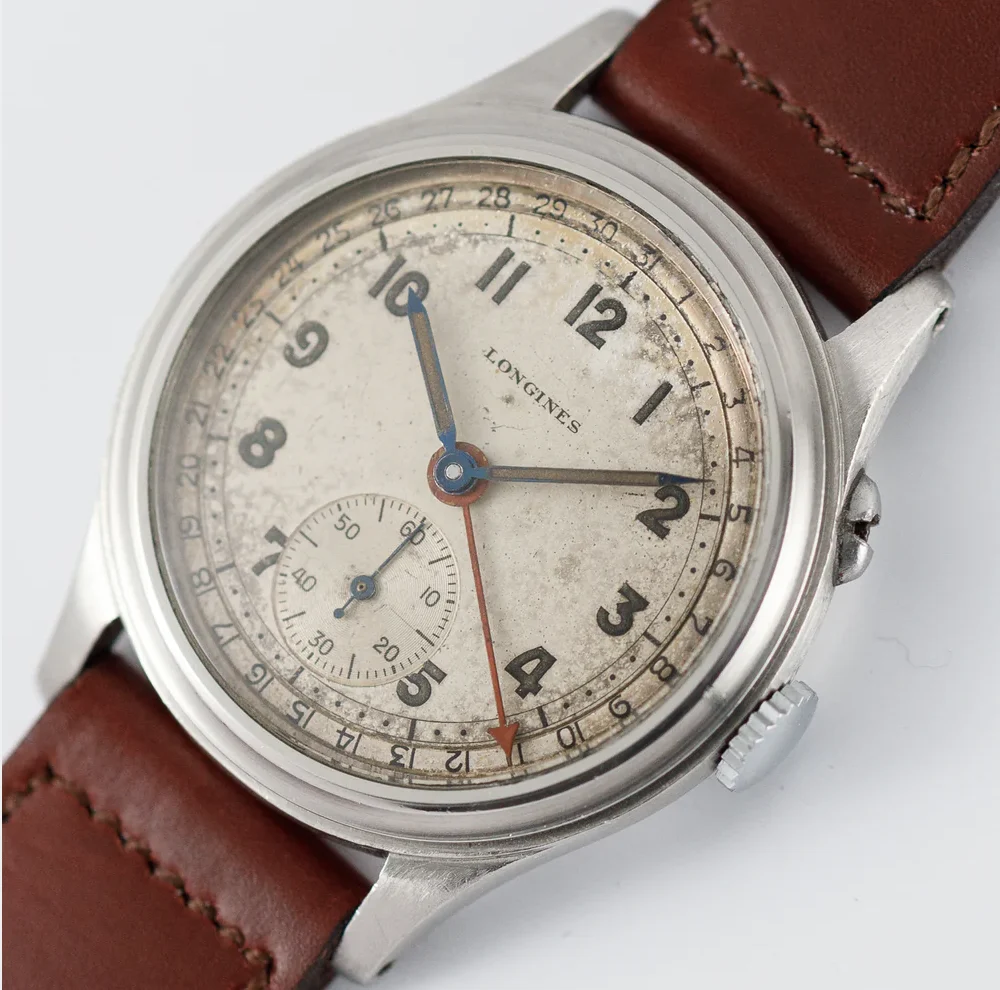
    A pointer date complication displays the date using a centrally mounted hand that circles around the dial, pointing to the correct day on a numbered track. This is different from the typical date window, where a small aperture reveals a rotating disc with numbers.

    Functionally, a pointer date works much like any other date mechanism, advancing once per day. The difference lies in the way the information is presented. Instead of cutting into the dial with a window, the pointer date keeps everything on the surface, creating a more balanced and symmetrical design.

    The Aesthetic Appeal of a Pointer Date

    One of the biggest advantages of a pointer date is design symmetry. Unlike a date window that often disrupts dial harmony – especially when placed at an off-center position like 4:30 – pointer date watches maintain a clean and uninterrupted dial. This allows for a more traditional and classical look, reminiscent of early 20th-century designs.

    Another visual advantage is legibility. While some may argue that a date window is easier to read at a glance, pointer date watches often feature bold numerals and contrasting hands, making them just as readable. Plus, the sweeping motion of the date hand gives the watch a dynamic and engaging quality that a static date window lacks.

    Then there’s the historical charm. The pointer date has been around for over a century, often appearing in vintage watches from major brands. It has a certain old-world sophistication, making it an excellent choice for those who appreciate classic watchmaking traditions.

      Longines, Pointer Date Ref.5412
    Longines, Pointer Date Ref.5412

    Famous and Lesser-Known Pointer Date Watches

    Despite being a relatively uncommon complication, several well-known and boutique brands have produced stunning pointer date models over the years. Some of the most notable include:

    • Oris Big Crown Pointer Date – Perhaps the most famous modern example, this watch has been a cornerstone of Oris’s lineup since 1938. Originally designed for pilots, it features an oversized crown for easy operation while wearing gloves. Over the decades, Oris has refined the design while staying true to its vintage aviation roots, making it a standout model for both history enthusiasts and casual collectors.

    • Jaeger-LeCoultre Triple Calendar Watches – Many of Jaeger-LeCoultre’s vintage triple-calendar models featured a pointer date, reinforcing its status as a respected complication among high-end watchmakers.

    • Longines Master Collection Moonphase Pointer Date – A more contemporary take on the pointer date, this model pairs a moonphase display with a central pointer date hand, blending classic aesthetics with modern functionality.

    • IWC Portofino Pointer Date – A refined example of a dress watch with a pointer date, the IWC Portofino blends understated luxury with mechanical charm.

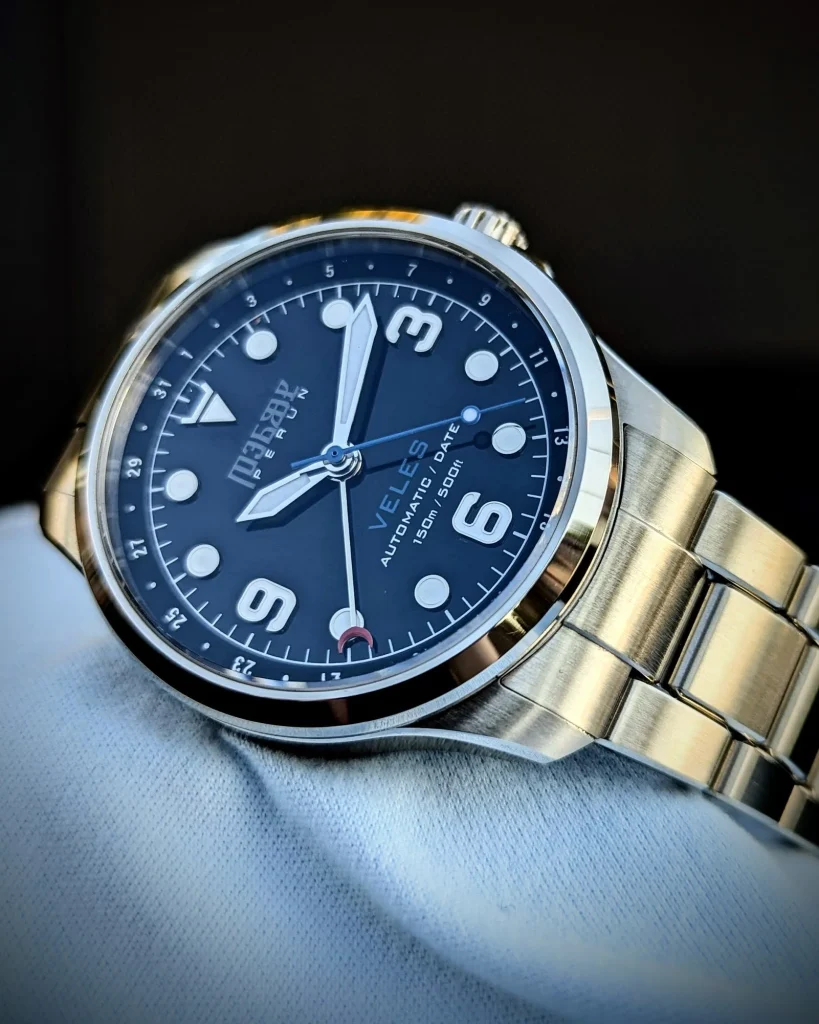
    • Veles by Perun – A rare example of a modern pointer date watch designed with cultural inspiration. The Veles offers a Swiss Sellita movement with a pointer date function, combining thoughtful design with premium materials. Unlike many luxury brands that feature this complication, the Veles remains a quality yet affordable option, making this elegant complication accessible to more collectors.

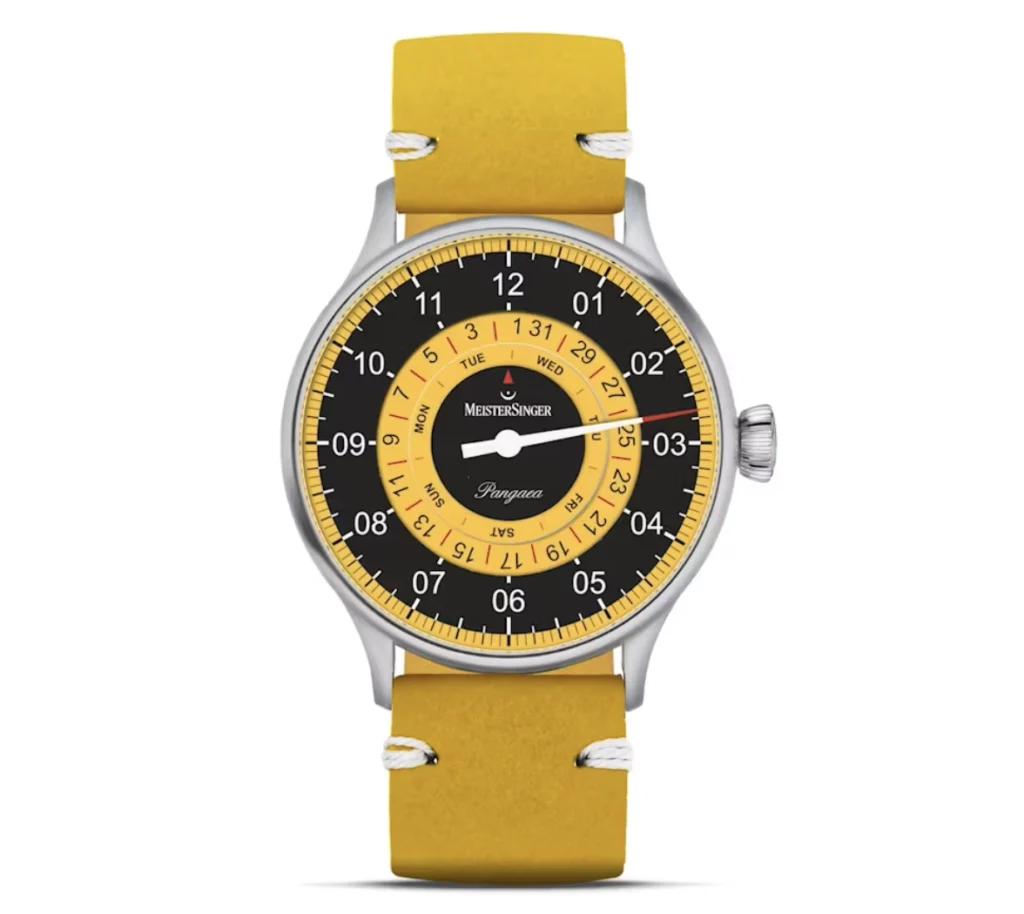
    • MeisterSinger Pangaea Date – Known for its single-hand approach to timekeeping, MeisterSinger offers a unique execution of the pointer date, reinforcing the brand’s philosophy of slow and deliberate time reading.

      Perun, Veles
    Perun, Veles

    Each of these watches demonstrates how the pointer date can be adapted to different styles, from aviation to dress watches, while always maintaining a certain vintage appeal.

    A Niche but Timeless Feature

    The pointer date complication may not be as ubiquitous as the standard date window, but that’s part of its charm. It appeals to those who appreciate traditional watchmaking, those who value aesthetic balance, and those who simply want something different from the usual.

    Despite being a century-old design, the pointer date remains relevant today. It bridges the past and the present, offering a functional yet elegant alternative to more common complications. And while modern watch trends often favor oversized cases and bold designs, the pointer date remains a subtle nod to the craftsmanship and elegance of a bygone era.

    For watch enthusiasts looking for something unique yet timeless, a pointer date is a worthy consideration—offering both visual appeal and practical functionality in a way that few other date displays can.

      MeisterSinger Pangaea Day Date - Black/Yellow
    MeisterSinger Pangaea Day Date – Black/Yellow
  • How Heritage Shapes Watch Design

    How Heritage Shapes Watch Design

    Heritage and culture impact watchmaking in many ways, from aesthetics to functionality. Many watch brands honor history and tradition in their designs, creating timepieces that serve as more than just tools – they become symbols of identity and craftsmanship.

    Cultural Motifs and Symbols

    Many watches incorporate historical and cultural elements that hold deep significance. These details can be found in dial patterns, case engravings, or even the choice of typography. The Perun Veles watch integrates Slavic motifs, including Glagolitic script, Kolovrat engravings, and Veles horns at the 12-hour mark, reflecting its deep cultural roots.

     Perun Veles in Midnight Black
    Perun Veles in Midnight Black

    Historical References and Reissues

    Another way watchmakers pay tribute to history is through historical references and reissues. Many brands reintroduce historical models or design elements from the past, ensuring their legacy endures. These reissues often feature modern upgrades while retaining the spirit of the original design. The Omega Speedmaster Moonwatch remains nearly unchanged since the Apollo missions, keeping its place in history as the first watch worn on the moon.

     OMEGA Speedmaster Moonwatch, photo courtesy of EverestBands.com.
    OMEGA Speedmaster Moonwatch, photo courtesy of EverestBands.com.

    Traditional Craftsmanship Techniques

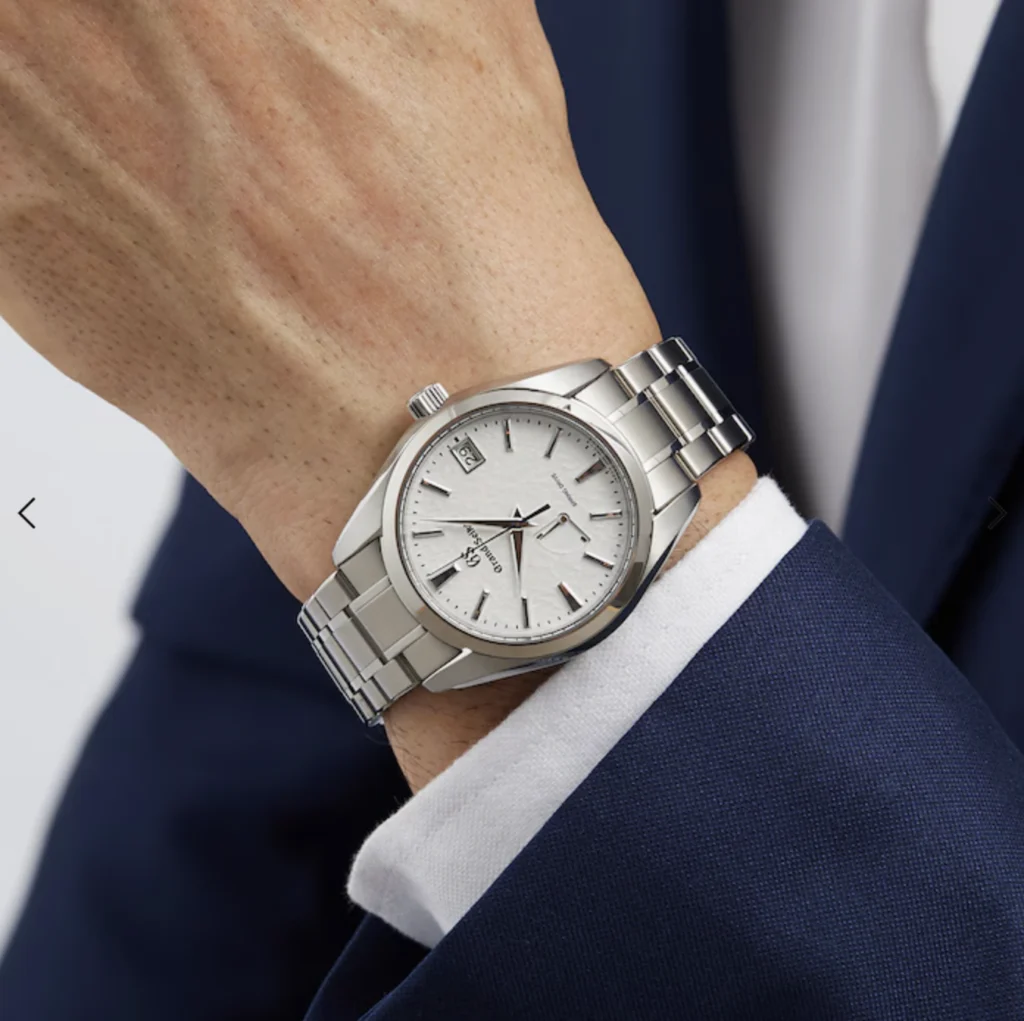
    Traditional craftsmanship techniques also play a crucial role in preserving heritage. Many watchmakers maintain time-honored methods, such as hand-finishing movements, enameling, or guilloché dial engraving – skills that have been passed down through generations. Grand Seiko’s “Snowflake” dial, inspired by the snowy landscapes of Japan, is a testament to these delicate finishing techniques unique to the brand.

     Grand Seiko, Heritage 'Snowflake' Spring Drive 3-Day,  photo courtesy of WatchesOfSwitzerland.co.uk
    Grand Seiko, Heritage ‘Snowflake’ Spring Drive 3-Day, photo courtesy of WatchesOfSwitzerland.co.uk

    Materials Inspired by Local History

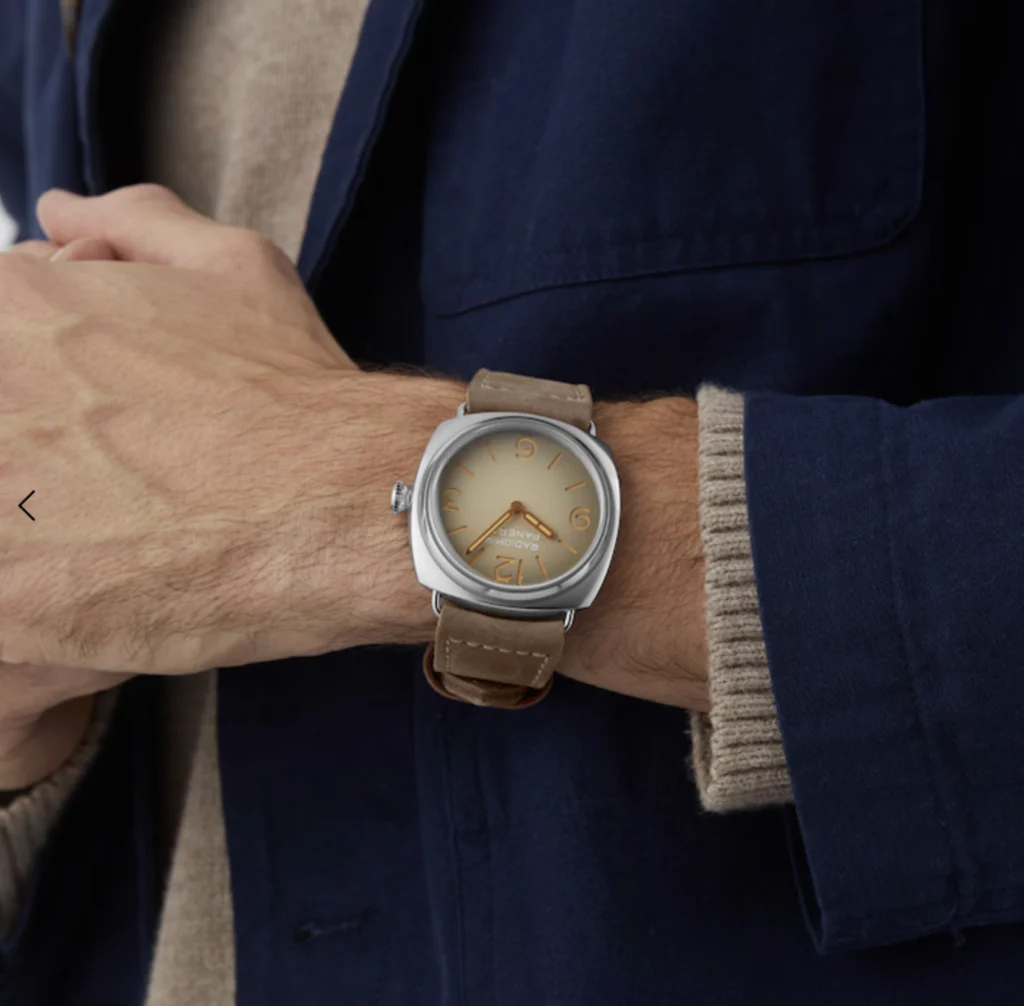
    Materials used in watchmaking can also tell a cultural story. Some brands incorporate locally sourced materials to honor their heritage, whether through specific metals, historic fabrics for straps, or even meteorite dials. The Panerai Radiomir, originally designed for the Italian Navy, features robust water-resistant cases and legible dials inspired by military history, making it an enduring symbol of durability and function.

     Panerai Radiomir Tre Giorni Manual Winding,  photo courtesy of WatchesOfSwitzerland.co.uk
    Panerai Radiomir Tre Giorni Manual Winding, photo courtesy of WatchesOfSwitzerland.co.uk

    Examples of Watches Deeply Rooted in Heritage

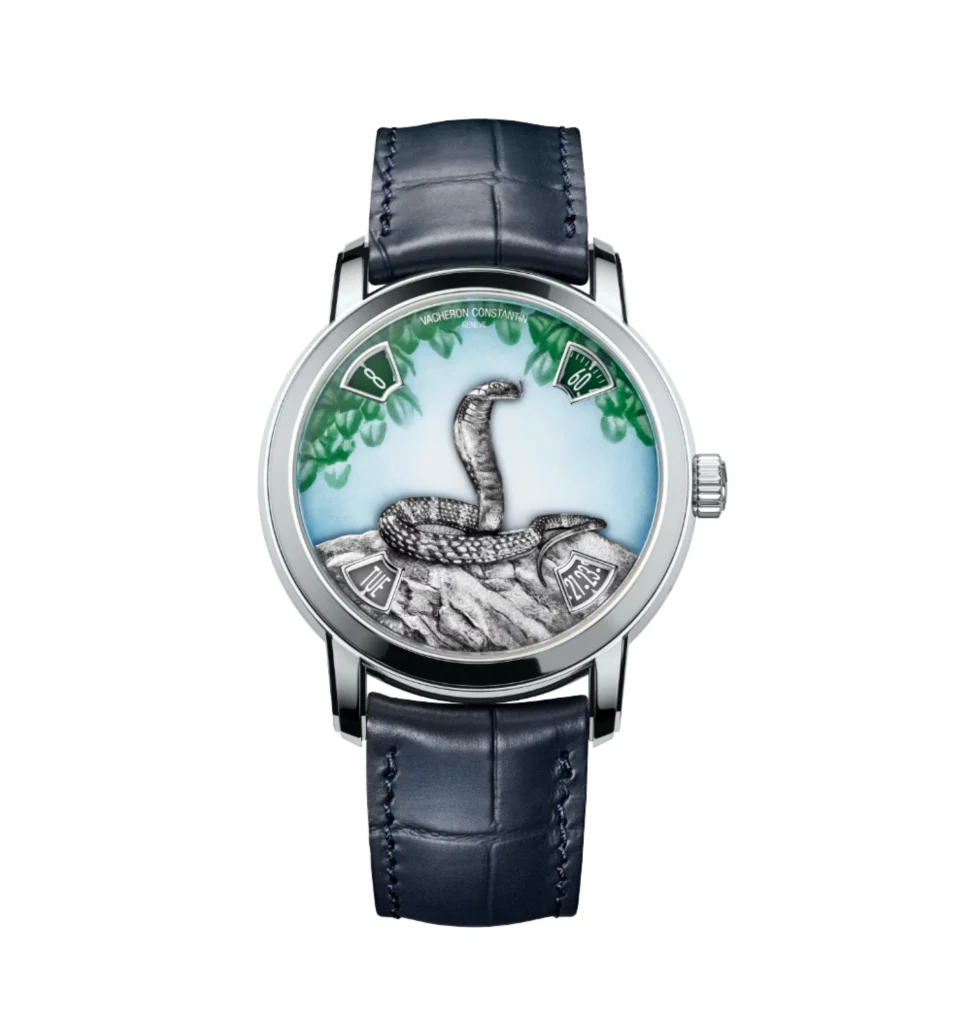
    The Perun Veles merges Swiss craftsmanship with Slavic mythology and design elements, featuring a rare pointer date complication and engraved symbols that celebrate cultural identity while maintaining modern functionality. The Cartier Tank, first introduced in 1917, was inspired by the shape of WWI Renault tanks, with straight lines and strong proportions paying homage to one of history’s most significant military innovations. Vacheron Constantin’s Métiers d’Art collection showcases intricate hand-painted dials that depict historical events, classical art, and architectural heritage, blending horology with artistic expression. Meanwhile, the Seiko Presage “Cocktail Time” series draws inspiration from Tokyo’s cocktail culture, with dials that mimic the depth and shimmer of fine drinks, transforming a watch into a celebration of craftsmanship beyond horology.

     Vacheron Constantin Métiers d'Art La légende du zodiaque chinois - année du serpent
    Vacheron Constantin Métiers d’Art La légende du zodiaque chinois – année du serpent

    Why Heritage Matters in Watchmaking

    Watches that honor heritage and culture go beyond aesthetics – they carry meaning, history, and a sense of identity. Whether influenced by mythology, military history, fine arts, or traditional craftsmanship, these watches resonate with collectors because they tell a story. Choosing a timepiece with heritage is not just about style; it is about preserving and celebrating the legacy that lives within every tick of the movement. When you wear a watch with history, you wear more than just a timepiece – you wear a connection to the past.

  • GADA Watches: The Ultimate Everyday Timepiece?

    GADA Watches: The Ultimate Everyday Timepiece?

    In the world of watches, few styles offer the versatility and reliability of a GADA watch—short for Go Anywhere, Do Anything. As the name suggests, a GADA watch is designed to be the perfect all-purpose timepiece, seamlessly transitioning from outdoor adventures to formal events without missing a beat. But what exactly makes a watch GADA-worthy, and which models stand out as the best examples?

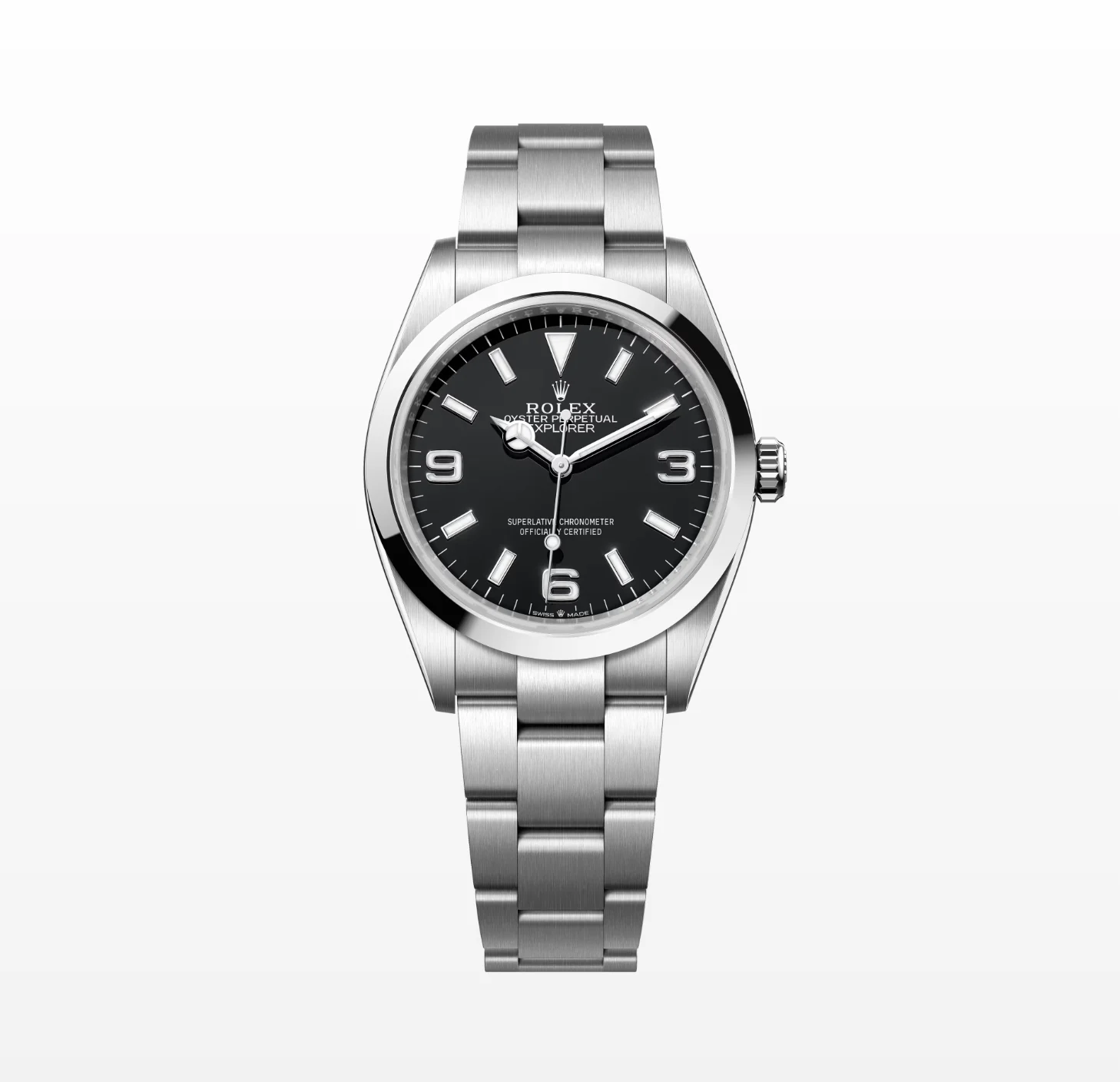
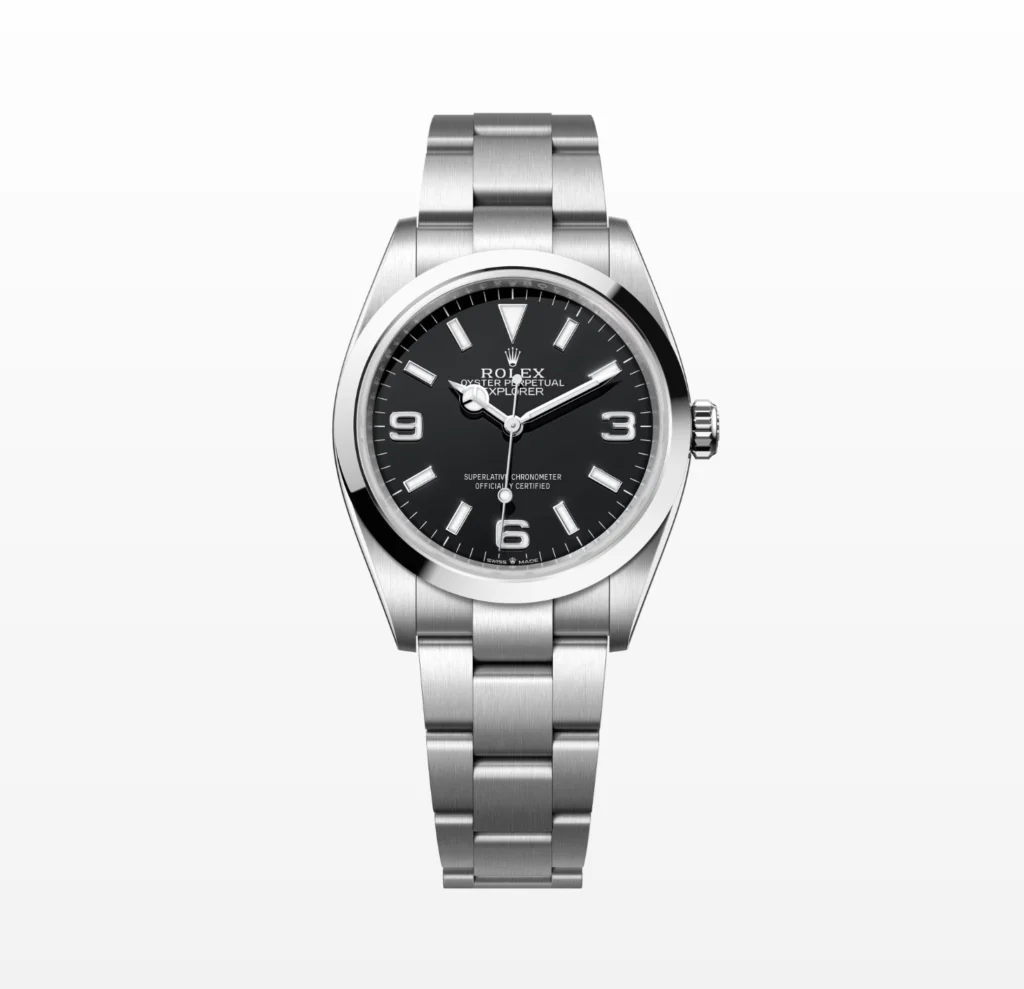
     Rolex Explorer 36, reference 124270
    Rolex Explorer 36, reference 124270

    What Defines a GADA Watch?

    A true GADA watch is one that can handle any situation without feeling out of place. Whether you’re hiking through the mountains, sitting in a business meeting, or enjoying a night out, a GADA watch should look and perform just right.

    Here are the key characteristics of a great GADA watch:

    1. Versatile Design

    • A clean, well-balanced dial that suits both casual and formal settings.

    • Neutral color schemes (black, white, blue) that pair well with various outfits.

    • A case size that isn’t too large or too small—typically between 38mm and 42mm.

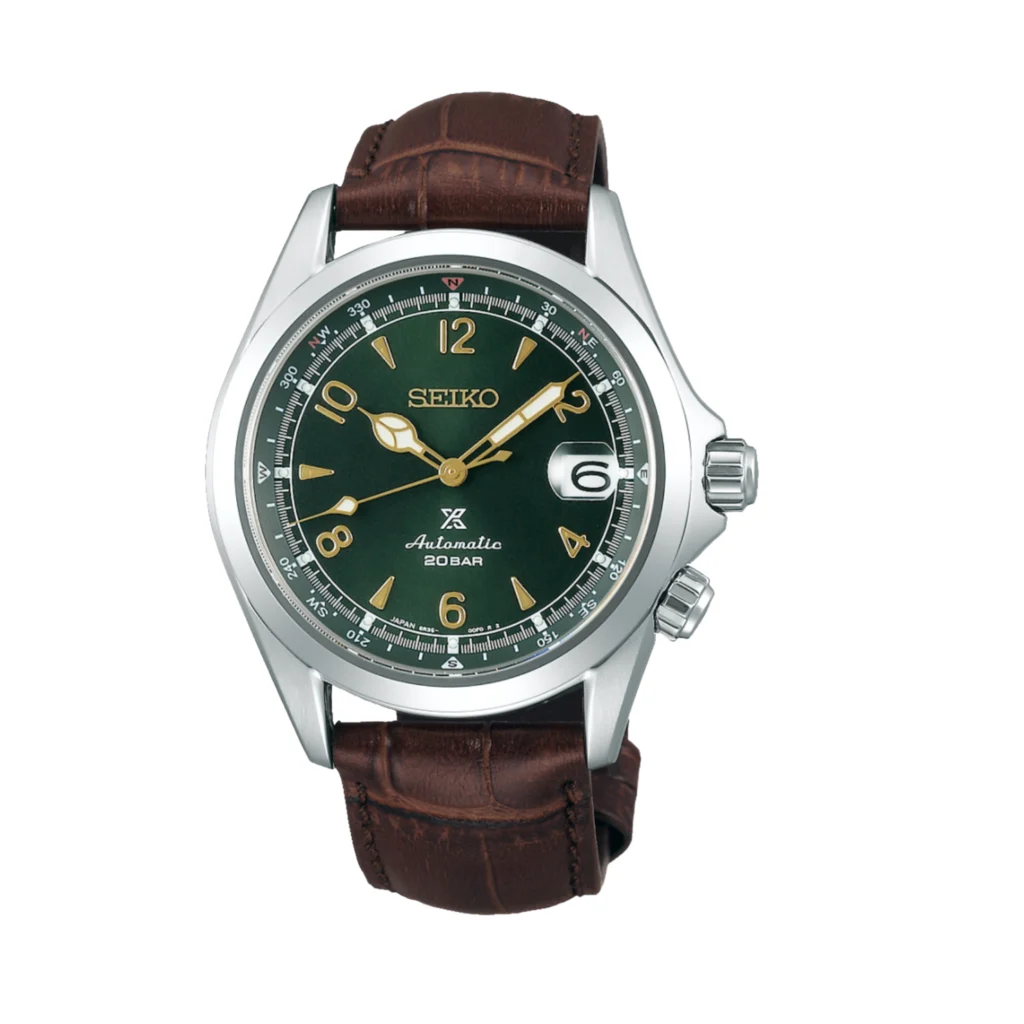
     Seiko Alpinist (SPB121J1)
    Seiko Alpinist (SPB121J1)

    2. Robust Build Quality

    • Stainless steel or titanium cases for durability.

    • Sapphire crystal to resist scratches.

    • A reliable automatic or quartz movement that can withstand daily wear.

    3. Water Resistance

    • At least 100m of water resistance to handle swimming or unexpected rain.

    • Screw-down crowns or robust gaskets for added protection.

    4. Comfortable and Adaptable Straps

    • A bracelet for elegance and durability.

    • The option to swap to a rubber or leather strap for different occasions.

    • A lug width that allows for easy strap changes.

    5. A Reliable Movement

    • A proven automatic movement, such as a Swiss Sellita or ETA, or a high-quality quartz for no-fuss accuracy.

    • Power reserve and accuracy that can keep up with daily life.

     Perun Veles, Midnight Black, 150M, 40 mm
    Perun Veles, Midnight Black, 150M, 40 mm

    Great Examples of GADA Watches

    1. Rolex Explorer 36mm (Ref. 124270)

    The Rolex Explorer is arguably the original GADA watch, designed for mountaineers yet refined enough for daily wear. With its smooth 36mm case, 100m water resistance, and timeless black dial, it transitions effortlessly from adventure to the office.

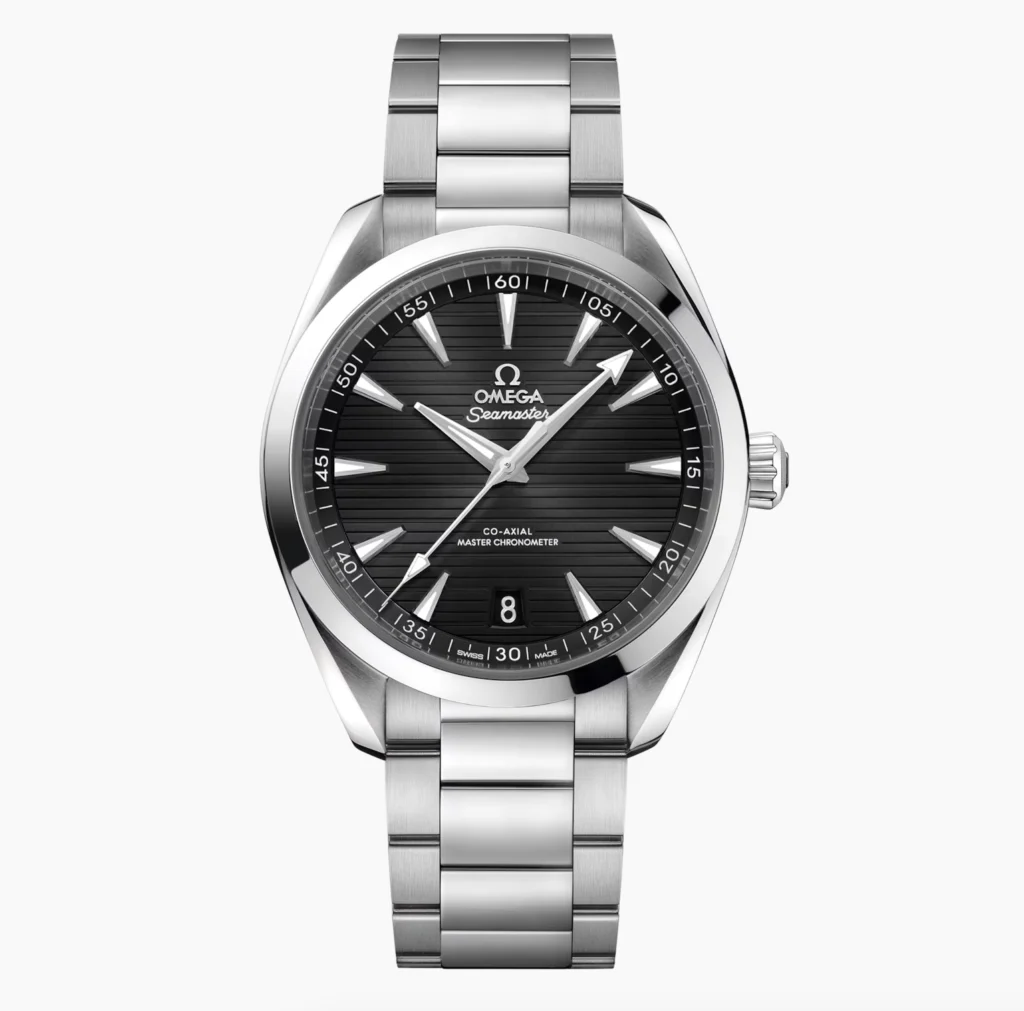
    2. Omega Aqua Terra (Ref. 220.10.41.21.01.001)

    The Omega Seamaster Aqua Terra is a fantastic balance of sportiness and elegance. With 150m water resistance, a Co-Axial Master Chronometer movement, and a polished yet rugged design, it’s a true do-it-all watch.
    3. Tudor Black Bay 36 / 39

    If you love the Rolex Explorer but want something more accessible, the Tudor Black Bay 36 or 39 is an excellent alternative. With its clean design, robust build, and in-house movement, it’s one of the best modern GADA watches.

    4. Seiko Alpinist (SPB121J1)

    For an affordable yet highly capable option, the Seiko Alpinist is a great choice. Originally designed for Japanese mountaineers, it features 200m water resistance, a compass bezel, and a distinctive green dial that stands out while remaining versatile.

    5. Perun Veles

    The Perun Veles is a Swiss-powered automatic watch that blends Slavic heritage with a rare pointer date complication—a unique feature that sets it apart. With high-end materials, robust construction, and a timeless design, it’s a perfect GADA watch for those who appreciate distinctiveness alongside practicality.

     Omega, SeamasterAqua Terra, 150M, 41 mm
    Omega, SeamasterAqua Terra, 150M, 41 mm

    Is a GADA Watch Right for You?

    If you’re looking for a one-watch collection or simply a reliable, stylish timepiece that can handle any occasion, a GADA watch is the way to go. With versatility, durability, and timeless appeal, it’s the kind of watch that becomes a trusted companion for years.

    Whether you prefer luxury Swiss pieces, rugged tool watches, or something in between, the right GADA watch ensures you’re never overdressed or underprepared – because true style is about being ready for anything.

  • What Makes a Watch Collectible? Key Features to Look For

    What Makes a Watch Collectible? Key Features to Look For

    For some, a watch is just a tool for telling time. For others, it’s a piece of history, an investment, or an expression of personal style. But what truly makes a watch collectible? Whether you’re an experienced collector or just starting out, knowing what to look for can help you find timepieces that hold value – not just financially, but in craftsmanship and legacy.

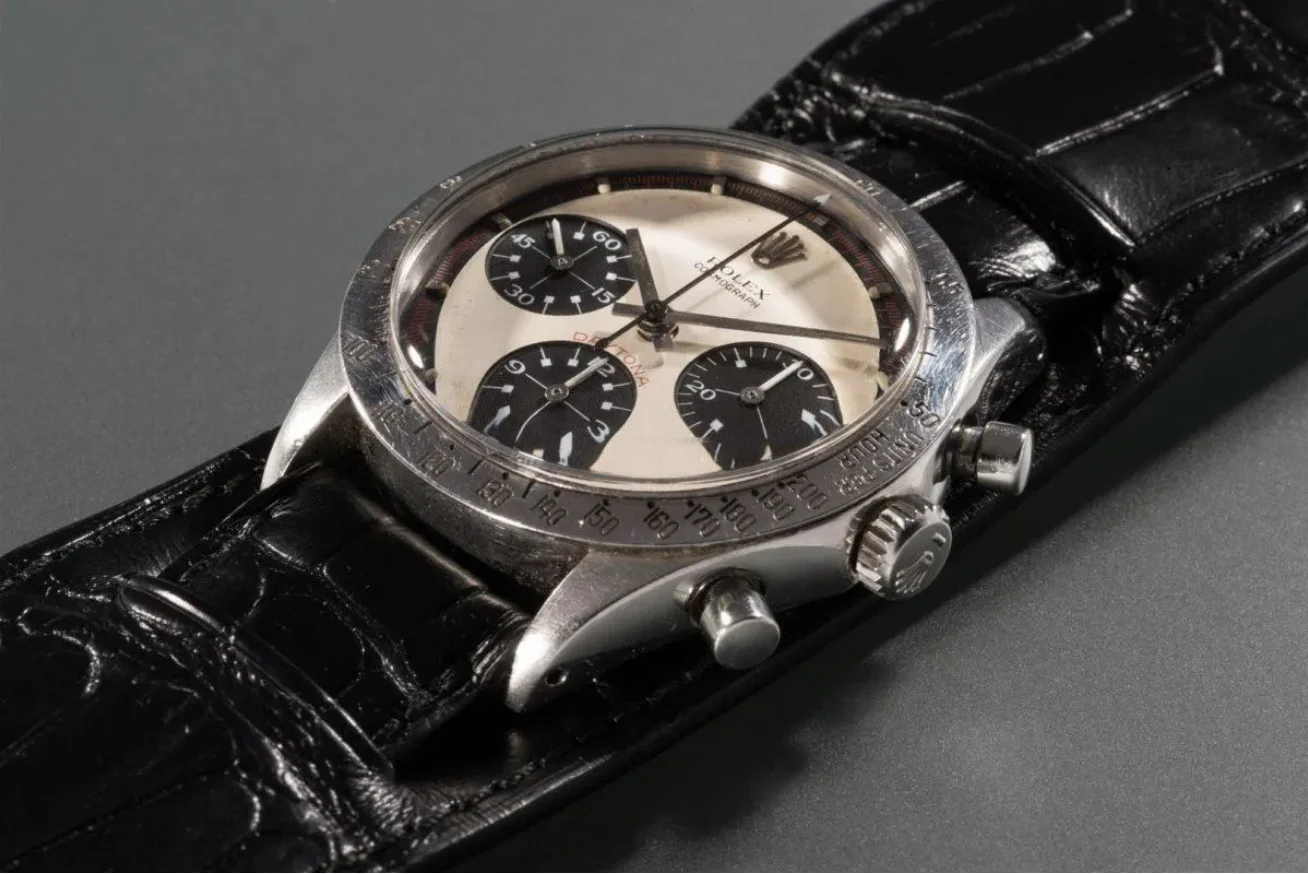
     Paul Newman's own Rolex Daytona Reference 6239. It was auctioned for $17,752,500.
    Paul Newman’s own Rolex Daytona Reference 6239. It was auctioned for $17,752,500.

    1. Rarity & Limited Production

    One of the most significant factors in a watch’s collectibility is rarity. Watches produced in small numbers or as limited editions tend to attract collectors, as they become harder to find over time. Special editions, discontinued models, or those with unique dial variations often increase in value because of their scarcity.

    Example:

    A brand may release a limited run of 500 pieces, making it more desirable than a mass-produced model. Similarly, a discontinued model, like certain vintage Rolex references, can become highly sought after.

    2. Unique or Rare Complications

    A watch’s complications – functions beyond basic timekeeping – also add to its desirability. Some complications are extremely rare or difficult to produce, making watches with these features stand out in a collection.

     Veles, a pointer date by Perun
    Veles, a pointer date by Perun

    Notable Rare Complications:

    • Pointer Date: A classic yet uncommon feature where a hand points to the date around the dial instead of using a date window.

    • Perpetual Calendar: Automatically adjusts for months with different lengths and even leap years.

    • Minute Repeater: Chimes the time on demand, requiring incredible craftsmanship.

    • Split-Seconds Chronograph: Allows timing multiple events simultaneously – a feature found in high-end watches.

    The more intricate and rare the complication, the more valuable the watch can become over time.

    3. Movement Quality & Craftsmanship

    A watch’s movement, often referred to as its caliber, is its beating heart. Collectors value movements that are well-crafted, Swiss-made, hand-finished, or in-house developed. Mechanical movements, especially those that are manually wound or automatic, are more collectible than quartz movements due to their engineering complexity.

    What to Look For:

    • Swiss movements (Sellita, ETA, Zenith, Rolex, etc.)

    • Hand-decorated movements (Côtes de Genève, perlage finishing)

    • In-house movements developed by the brand

    4. Historical Significance & Brand Heritage

    Watches tied to important historical events, figures, or milestones often become legendary. A watch worn by a famous explorer, pilot, or even a movie character can skyrocket in value. Similarly, brands with long-standing traditions in horology tend to produce more collectible watches.

    Examples:

    • The Omega Speedmaster became highly collectible due to its association with NASA and the moon landing.

    • The Patek Philippe Nautilus is legendary for being one of the first luxury steel sports watches.

    • Watches associated with historical figures, like Steve McQueen’s TAG Heuer Monaco, become instantly iconic.

    5. Design & Timeless Aesthetic

    Trends come and go, but truly collectible watches stand the test of time. A well-balanced, aesthetically pleasing design ensures that a watch remains desirable decades after its release. Overly trendy or experimental designs may lose appeal over time, whereas classic, well-proportioned watches tend to age gracefully.

    Hallmarks of Timeless Design:

    ✔ Balanced case size (typically 36mm–42mm for versatility)
    ✔ Minimalist yet functional dials
    ✔ High-quality finishing and attention to detail
    ✔ Iconic design elements that remain unchanged over decades

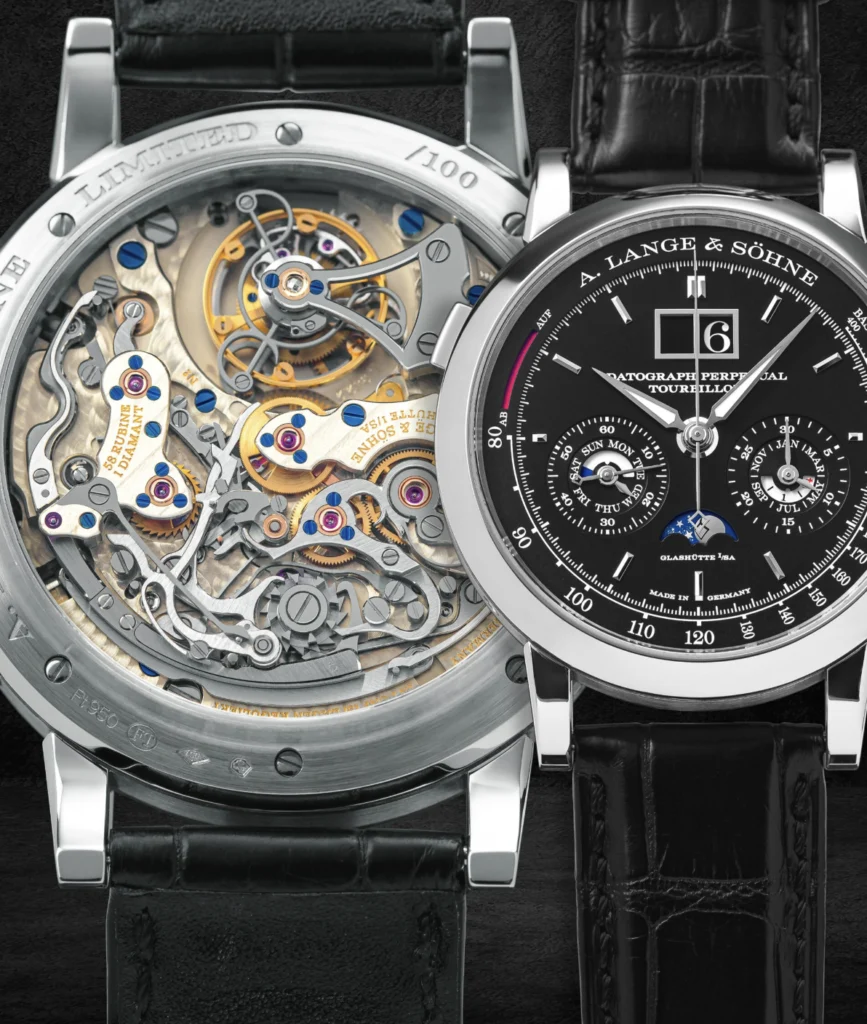
     A. Lange & Söhne Datograph, features an in-house movement with an exquisitely decorated case back.
    A. Lange & Söhne Datograph, features an in-house movement with an exquisitely decorated case back.

    6. Condition & Originality

    Collectors highly value watches that have been well-preserved in their original condition. Unpolished cases, original dials, and factory components make a watch far more desirable than one that has been overly restored or modified.

    Pro Collector Tip:

    • Look for watches with box and papers (original documentation), as they add to the watch’s authenticity and resale value.

    • Avoid overly polished cases, which can alter the original lines and reduce value.

    • Servicing is essential, but always use authorized or reputable watchmakers to maintain collectibility.

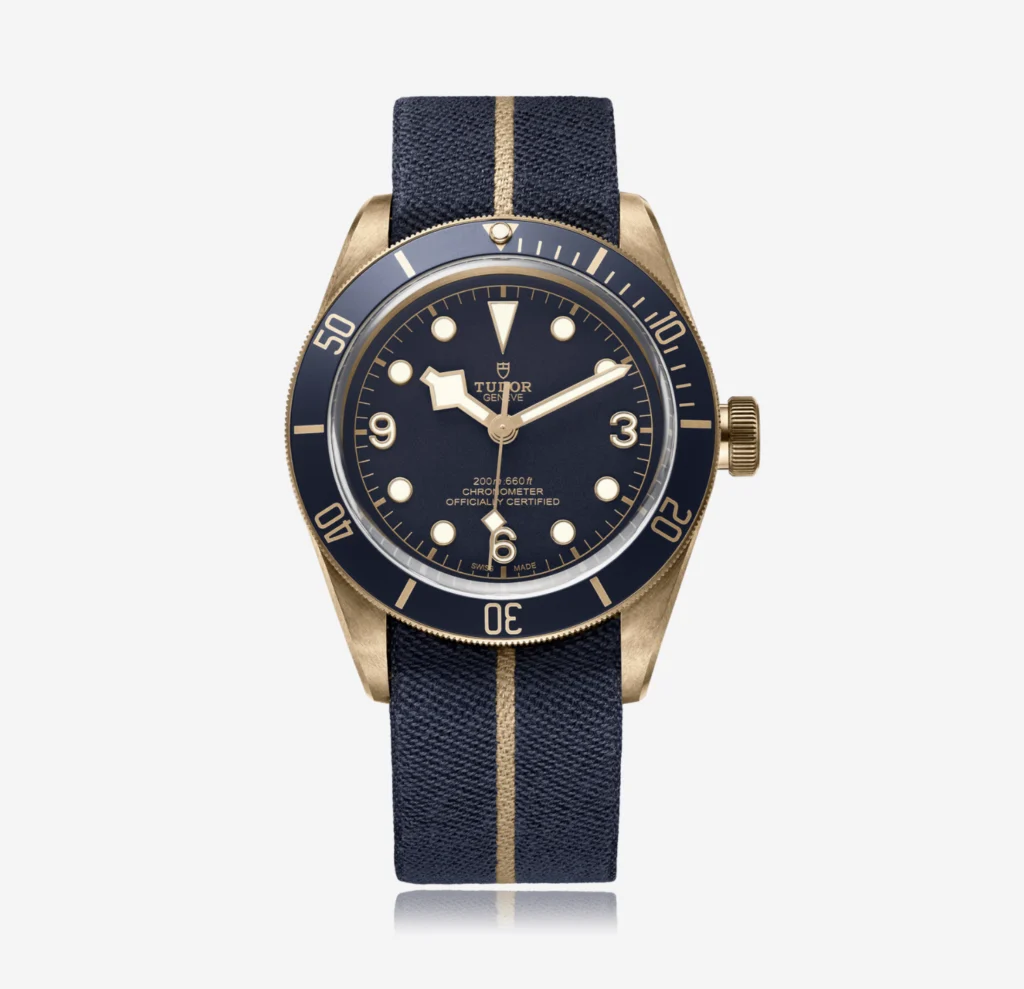
     TUDOR Black Bay Bronze Bucherer BLUE
    TUDOR Black Bay Bronze Bucherer BLUE

    7. Investment Potential (But Buy What You Love)

    While some watches appreciate in value, not every watch should be seen as an investment. Collectors should buy what they genuinely love, rather than purely chasing market trends. However, choosing well-made, rare, and historically significant watches increases the likelihood of long-term appreciation.

    Watches That Tend to Hold Value:

    • Limited edition pieces

    • Watches from brands with strong reputations (Patek Philippe, Rolex, Omega, etc.)

    • Unique or discontinued models

    • Iconic designs that remain in demand

    Final Thoughts

    A truly collectible watch is more than just a timepiece – it’s a blend of craftsmanship, history, and rarity. Whether you’re drawn to a watch for its heritage, design, complications, or investment potential, the best watch for your collection is one that speaks to you personally.

    So, whether you’re searching for a rare pointer date complication, an iconic Swiss movement, or a timepiece with deep historical roots, remember: the best watches are those that stand the test of time.

  • From Folklore to Fame: Slavic Mythology in Pop Culture

    From Folklore to Fame: Slavic Mythology in Pop Culture

    Slavic mythology, with its rich and mysterious folklore, has captivated audiences for centuries. In recent years, it has gained a prominent place in pop culture, inspiring everything from blockbuster video games to critically acclaimed TV shows and movies. Whether through ancient gods, mythical creatures, or legendary figures, these stories have found their way into mainstream media, captivating new generations of fans worldwide.

    The Witcher: Bringing Slavic Legends to Life

    Perhaps the most well-known modern adaptation of Slavic mythology is The Witcher. Originally a series of novels by Polish author Andrzej Sapkowski, The Witcher found global success through its video game adaptation, The Witcher 3: Wild Hunt, which has sold over 50 million copies. The franchise’s success paved the way for Netflix’s hit series, introducing an even larger audience to the rich world of Slavic folklore. With creatures such as Leshy, Strigas, and Noonwraiths, the series showcases the darker, more mystical side of Eastern European mythology, blending it seamlessly with action-packed storytelling.

      The Witcher
    The Witcher

    American Gods: A Modern Take on Slavic Deities

    Neil Gaiman’s novel American Gods and its TV adaptation incorporate Slavic mythology in a modern context, introducing viewers to figures such as Czernobog and the Zorya sisters. Czernobog, the Slavic god of darkness and misfortune, is portrayed as a grizzled, brooding figure wielding a heavy hammer. The Zorya sisters, representing different phases of the day, add a touch of mysticism and fate to the story. Through their depiction, American Gods brings ancient myths into contemporary settings, blending them with other global mythologies.

      Peter Stormare as Czernobog in “American Gods”
    Peter Stormare as Czernobog in “American Gods”

    John Wick: The Fearsome Baba Yaga

    In the John Wick film series, the titular character is famously referred to as “Baba Yaga”, a nod to Slavic mythology’s fearsome witch. In Slavic folklore, Baba Yaga is a mysterious, powerful figure known for her unpredictable nature, often living in a hut that stands on chicken legs. In the films, the nickname is used to emphasize John Wick’s legendary reputation in the assassin underworld, highlighting his relentless and almost mythical pursuit of vengeance.
      Keanu Reeves in “John Wick”
    Keanu Reeves in “John Wick”

    Fantasia: Slavic Mythology in Animation

    Disney’s classic animated film Fantasia (1940) introduced many to Slavic mythology through its haunting “Night on Bald Mountain” segment. This iconic scene features Chernabog, a dark deity inspired by Slavic folklore, reigning over a night of eerie supernatural events. The powerful imagery, paired with Mussorgsky’s evocative music, made Chernabog one of Disney’s most memorable and chilling villains, bringing Slavic mythology to Western audiences in a mesmerizing way.

      Chernabog in Disney’s “Fantasia”
    Chernabog in Disney’s “Fantasia”

    Honorable Mentions

    Slavic myths have appeared in numerous other films, TV shows, and games. Some notable examples include:

    • “Viy” (1967): A Soviet horror film based on Nikolai Gogol’s story, featuring a terrifying mythical creature.

    • “Hellboy” (2004, 2019): Both films introduce Baba Yaga as a sinister, otherworldly presence.

    • “Supernatural” (TV series): Features various Slavic creatures such as Rusalka and Baba Yaga.

    • “The Hexer” (2001): A Polish TV series based on The Witcher, featuring elements of Slavic folklore before the Netflix adaptation.

    • “SMITE” (video game): A multiplayer game that includes Slavic gods like Chernobog.

    Conclusion

    Slavic mythology continues to inspire and enrich pop culture across various forms of media. Its deep-rooted legends, unique creatures, and compelling characters offer endless storytelling possibilities. As more creators draw from these rich traditions, the influence of Slavic folklore will continue to grow, ensuring that its myths endure for generations to come.